Home » The 3 Best Non-Toxic Tea Kettles for 2025 (Plastic-Free and Safe for Your Health)
The 3 Best Non-Toxic Tea Kettles for 2025 (Plastic-Free and Safe for Your Health)
Written by Admin | June 22, 2025
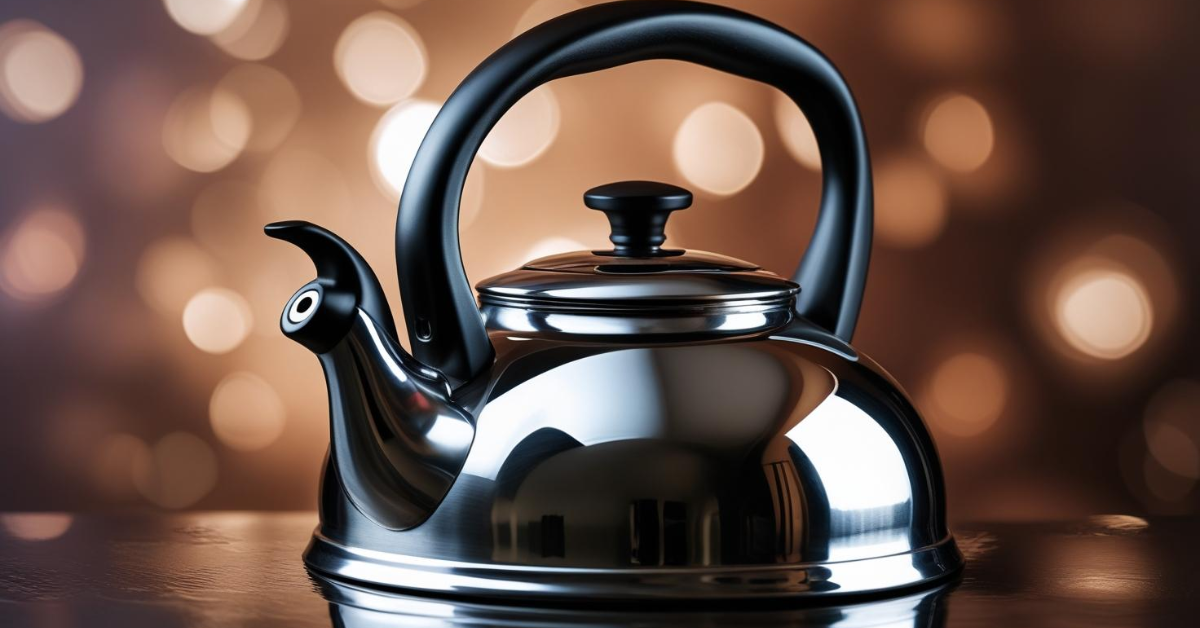
Are you tired of worrying about toxins leaching into your tea or coffee from your kettle? It’s a problem that many of us overlook, but when we use kettles made from plastic or low-quality metals, harmful chemicals like BPA, lead, and cadmium can leach into our water, impacting our health over time. The truth is, not all kettles are created equal, and most are not as safe as we think.
But don’t worry – there’s a solution! Choosing a non-toxic tea kettle, made from safe materials like stainless steel or borosilicate glass, is the key. In this blog, I’ve researched and compiled the top 3 safest non-toxic tea kettles for 2025 that will help you enjoy your tea and coffee without the worry of harmful chemicals. Say goodbye to toxic kettles and hello to peace of mind – your health and your taste buds will thank you!
Why Is a Non-Toxic Tea Kettle Important?
When we make tea, coffee, or even just heat water, the material of our tea kettle plays a crucial role in ensuring the water remains safe for consumption. Many familiar kettles on the market are made from materials that leach harmful substances, such as plastic and low-quality metals. These materials can release toxins like BPA, lead, and other endocrine-disrupting chemicals, which are linked to a variety of health issues such as hormonal imbalances, developmental delays in children, and even cancer.
Choosing a kettle made from safer materials, like stainless steel or borosilicate glass, ensures that you’re not ingesting these harmful chemicals and can help protect your health and the health of your family. Let’s dive into the details of what makes a kettle non-toxic and why I recommend the following top picks for 2025.
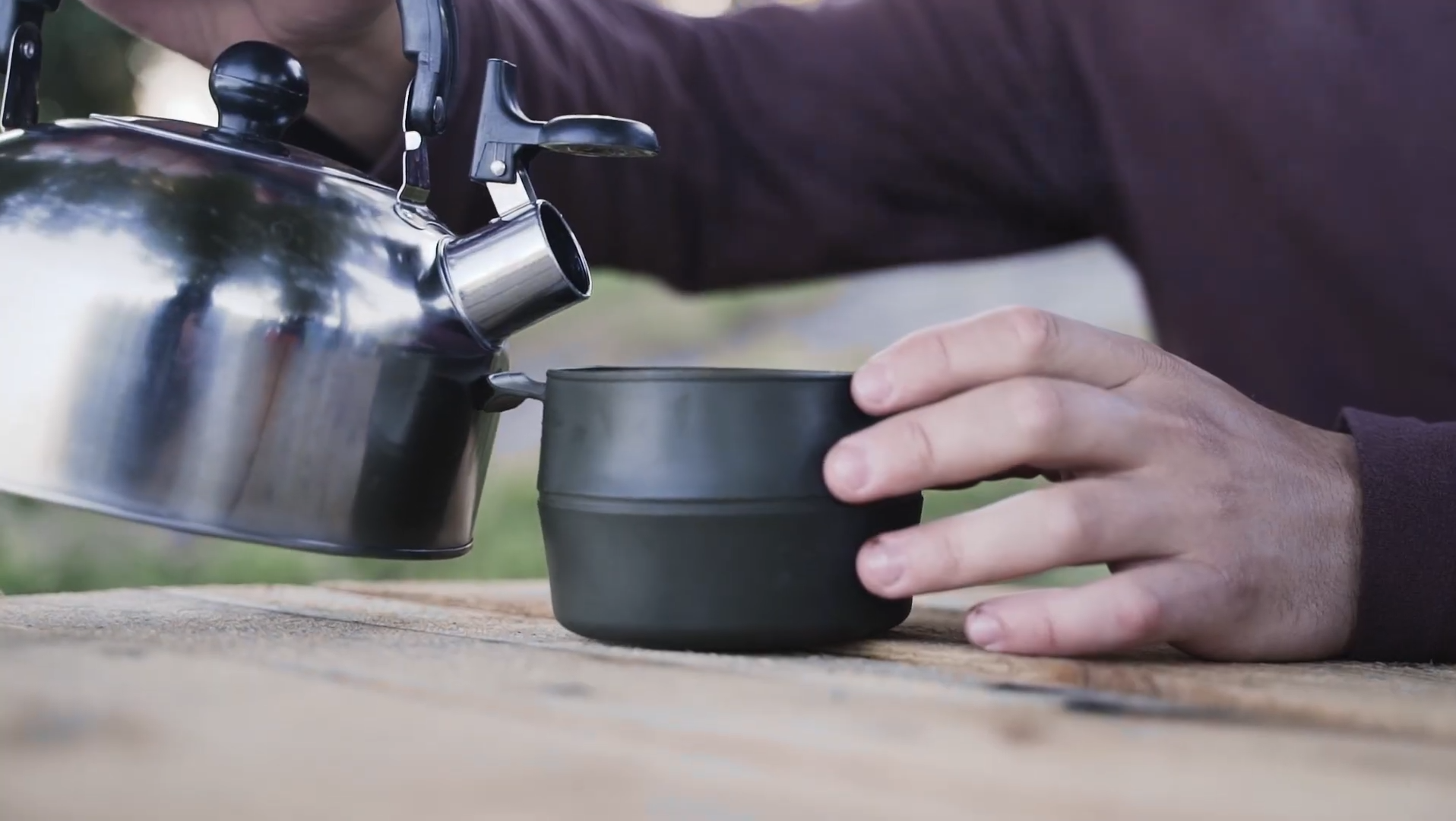
What Materials Are Safe for Tea Kettles?
Not all materials are created equal when it comes to kettles. Here’s a breakdown of the safest materials to look for:
- Stainless Steel: High-quality stainless steel, particularly grades 18/8 and 18/10 (also known as 304 and 316 stainless steel), is a safe and durable choice. It won’t leach harmful chemicals into your water and resists rust, making it a long-lasting option.
- Borosilicate Glass: Made from silica and boron trioxide, borosilicate glass is non-porous and heat-resistant, making it ideal for boiling water. It’s free from lead, cadmium, and other harmful substances, and unlike regular glass, it can withstand high temperatures without breaking.
- Ceramic: High-quality ceramic kettles are also a safe choice, as they are typically free from harmful coatings and chemicals like BPA, PFOA, and PFAs. However, be cautious with enamelled ceramic kettles, as they can sometimes contain lead or cadmium in the glaze.
The Dangers of Certain Tea Kettle Materials

Certain materials should be avoided at all costs when looking for a non-toxic kettle:
- Aluminium: While aluminium is lightweight and affordable, it has been linked to health issues such as Alzheimer’s disease. Aluminium can leach into water, and although the body can handle small amounts, it is not ideal to expose yourself to it regularly, especially since it bioaccumulates in the body over time.
- Enamel Coating: Many kettles are coated with enamel for aesthetic purposes. However, these coatings often contain lead or cadmium, especially if the kettle is made in countries with less stringent safety regulations. Vintage enamelled kettles are particularly risky, and even newer models made in countries like China or Mexico may contain harmful heavy metals.
- Plastic: Plastic components in tea kettles, such as in the lid, base, or handles, can leach chemicals like BPA, BPS, and phthalates, even if they are labelled as “BPA-free.” These chemicals disrupt hormones, affect fertility, and have long-term health impacts, making plastic tea kettles a definite no-go.
The Best Non-Toxic Tea Kettles for 2025
After much research and careful consideration, I’ve selected my top three safest non-toxic tea kettles for 2025. These kettles are made from high-quality materials, have a proven track record, and offer functionality that suits a variety of needs. Best of all, none of these kettles are made in China, so you can feel confident that they meet rigorous safety standards.
1. Alessi Tea Kettle (Made in Italy)
The Alessi Tea Kettle is a beautifully designed kettle that combines excellent functionality with high-quality materials. Made in Italy, it’s constructed from stainless steel, ensuring durability and safety. It boils water quickly and efficiently, making it a top choice for those who appreciate both style and performance.
Pros:
- Made in Italy, not China
- Boils water quickly
- Stylish and functional design
- Stainless steel construction for durability and safety
Cons:
- Expensive
- The whistling mechanism (bird/dragon) has been reported not to whistle consistently, and the bird figure can break with frequent use.
- Hand wash only
My note: If you don’t mind the higher price tag and occasional issues with the whistling feature, the Alessi Tea Kettle is an excellent choice for anyone who values design and safety.
2. Quickone Takei Tea Kettle (Made in Japan)
The Quickone Takei Tea Kettle is an excellent option for those seeking an affordable, functional, and non-toxic kettle. Made in Japan, this kettle is designed to boil water quickly and features a broad base for even heating. It is also easy to use and store, with a foldable handle for convenience.
Pros:
- Made in Japan
- Affordable and great value for money
- Boils water quickly
- Broad base for even heating
Cons:
- The folding handle can feel unstable to some users, increasing the risk of spills or burns.
- Some users find the handle folding feature unnecessary.y
The Quickone Takei is an excellent option for those on a budget. I didn’t choose it for myself because I prefer glass, but it offers excellent functionality at a reasonable price.
3. Café Brew Collection Borosilicate Glass Stove Top Whistling Tea Kettle (Made in Germany)

My personal favorite, and the one I chose for my family, is the Café Brew Collection Borosilicate Glass Stove Top Whistling Tea Kettle. This kettle is made from high-quality borosilicate glass, which is non-toxic, heat-resistant, and doesn’t leach harmful chemicals. It’s incredibly affordable at $19.99, dishwasher safe, and has a cute retro look. It pours beautifully with no dripping and is a joy to use.
Pros:
- Extremely affordable at $19.99
- Non-toxic, made from borosilicate glass
- Dishwasher safe (top rack)
- Pours beautifully without dripping
- Retro, stylish look
- 12-cup/48oz capacity
- Made in Germany
Cons:
- It may feel fragile to some users
- Takes a bit longer to boil water compared to stainless steel kettles
- Requires a trivet for use on electric stoves (not necessary for gas)
My note: The Café Brew Borosilicate Glass Kettle is my top choice. It’s affordable, non-toxic, and convenient. It also has a beautiful design and is an excellent addition to any kitchen.
Tea Kettles I Didn’t Pick and Why
Throughout my research, I came across several popular kettles that didn’t cut. Here’s why:
- All Clad: While I love their cookware, their tea kettle didn’t live up to the quality standards I expected. Customer reviews were largely negative, and the kettle wasn’t made with the same attention to detail as their pots and pans.
- Le Creuset: While they are known for their high-quality enamelled cookware, their tea kettles are coated with enamel, which is not food-safe and can erode over time. Additionally, they are made in China, which was a dealbreaker for me.
- Fino: Despite claiming to be made in Japan, Fino’s kettle is actually manufactured in China. Some users also reported that it gave the water a strange taste, making it less desirable.
- Caraway: This kettle is stylish and made with a focus on sustainability, but it’s made in China, is very expensive, and has issues with dripping water, which is a dealbreaker for me.
- SUSTEAS Stove Top Whistling Tea Kettle: While it’s visually appealing, the handle gets too hot for comfort, and the whistle isn’t deafening. Additionally, it’s made in China, which makes it less preferable.
Conclusion: Choosing the Safest Non-Toxic Tea Kettle
When looking for a non-toxic tea kettle, focus on kettles made from stainless steel or borosilicate glass. These materials are durable, heat-resistant, and non-toxic. Avoid kettles with plastic components or enamel coatings, as they can leach harmful chemicals.
If you prefer stainless steel, the Alessi Tea Kettle is a fantastic choice, while the Quickone Takei offers great functionality at a lower price. However, if you want the safest and most affordable option, I highly recommend the Café Brew Collection Borosilicate Glass Stove Top Whistling Tea Kettle. It’s non-toxic, functional, and made with high-quality glass that’s perfect for boiling water without compromising your health.

FAQs About Flame Retardants in Car Seats

James Parker
James Parker is an environmental expert, writer, and the founder of Envirose.com. Over the years, he has dedicated his work to studying sustainable practices, renewable energy solutions, and eco-conscious lifestyles. Through Envirose, he aims to inspire individuals to make small yet powerful changes in their daily lives that can collectively create a positive impact on the planet. When he’s not writing or researching, you’ll often find him outdoors, exploring nature and finding new ways to live in harmony with it.