Home » Is Carbon Steel Non-Toxic? The Definitive Guide to Safe Cooking in 2025
Is Carbon Steel Non-Toxic? The Definitive Guide to Safe Cooking in 2025
Written by Admin | June 22, 2025
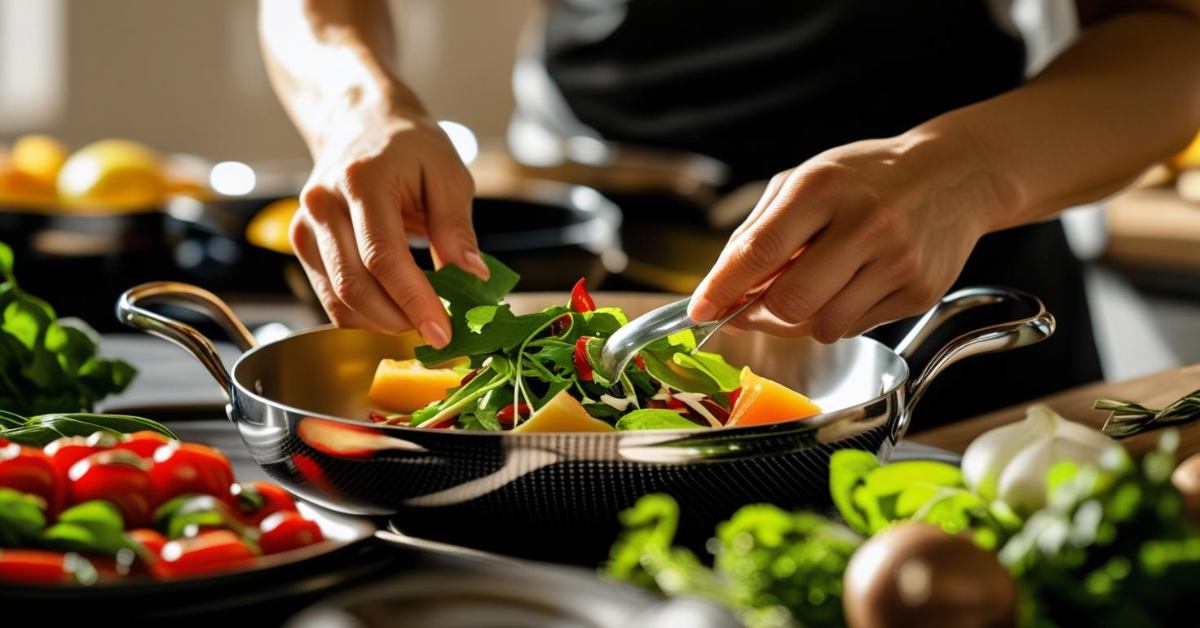
As I strive to make clean and nutritious meals for my family, I prioritize using quality, non-toxic cookware. Choosing non-toxic cookware plays a crucial role in maintaining our overall health. The materials used in cookware can leach harmful substances into food, potentially affecting long-term well-being. With growing awareness about the risks associated with traditional non-stick cookware, more people are shifting toward safer alternatives. In this guide, I’ll explore whether carbon steel cookware is non-toxic and how it stacks up against other cooking materials.
What is Carbon Steel Cookware?
Carbon steel cookware is gaining popularity due to its excellent cooking performance, durability, and versatility. It’s often compared to both cast iron and stainless steel, combining the best of both worlds. Like cast iron, carbon steel requires seasoning and develops a natural non-stick surface over time. But unlike cast iron, carbon steel is lighter, more responsive to temperature changes, and smoother in texture. Carbon steel is made of 99% iron and 1% carbon, giving it strength, durability, and a long-lasting surface.
In terms of functionality, carbon steel can be used for a wide range of cooking tasks. It’s perfect for stir-frying, searing, and sautéing. Over time, it also forms a naturally non-stick coating that enhances the cooking experience.

Is Carbon Steel Non-Toxic in Cookware?
Yes, carbon steel cookware is considered non-toxic. One of the primary reasons for its safety is its simple composition. Carbon steel consists of just iron and carbon, without any added harmful chemicals. Unlike non-stick cookware, which often uses harmful coatings like PTFE or PFOA, carbon steel is free from these substances. Therefore, it doesn’t leach chemicals into your food, even at high temperatures.
Another reason why carbon steel is safe is that it doesn’t contain any synthetic non-stick coatings that can break down over time and release toxic fumes. The seasoning layer, formed by heating oil on the pan, provides a natural, non-stick surface, further ensuring its safety.
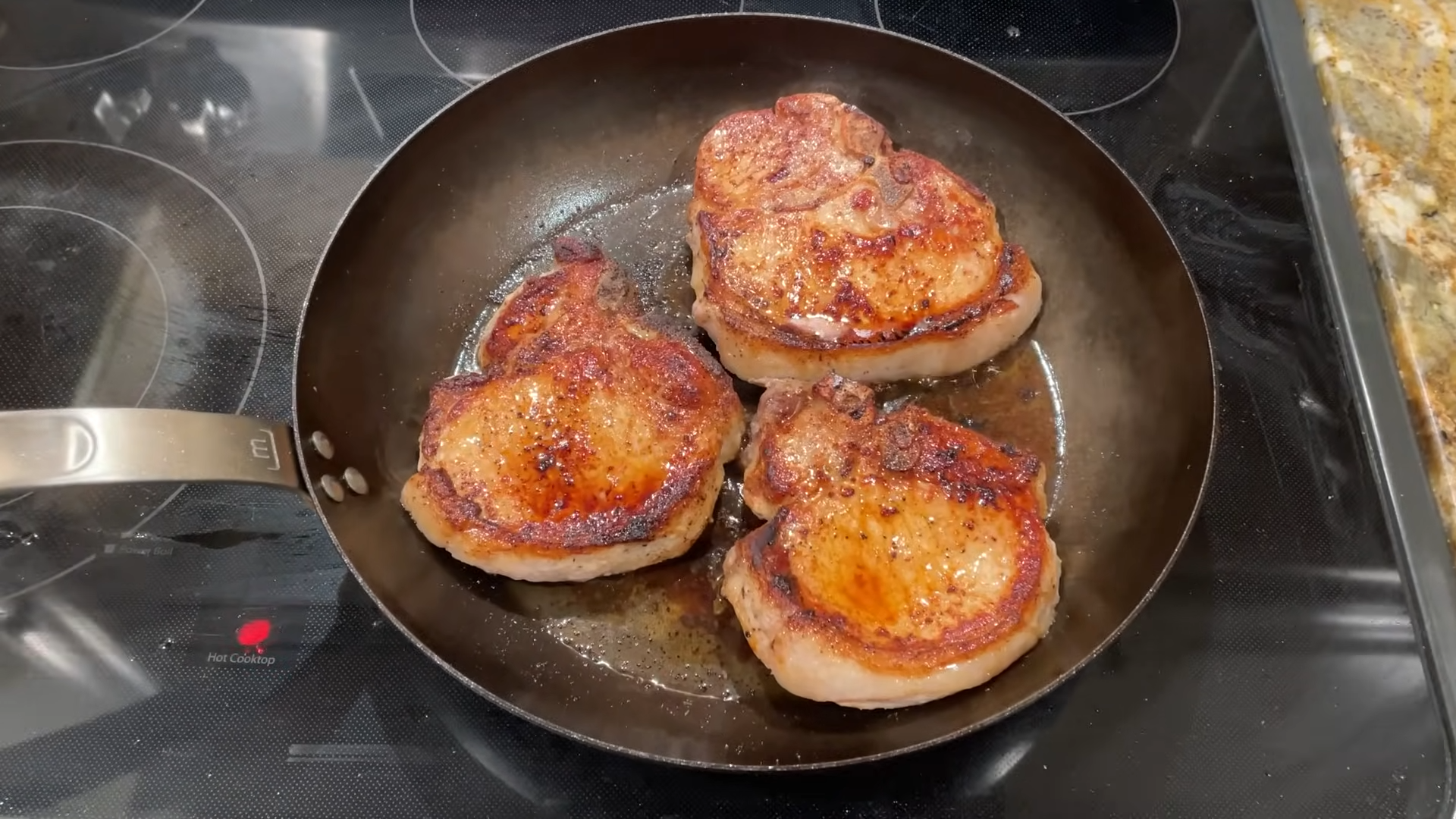
Why Choose Carbon Steel Cookware?
No Harmful Chemicals
Unlike non-stick pans with PTFE or PFOA coatings, carbon steel cookware doesn’t contain any harmful chemicals that can leach into food. The absence of such chemicals is a big advantage for health-conscious cooks.
Heat Stability
Carbon steel is known for its ability to withstand high temperatures without releasing harmful fumes. This makes it perfect for high-heat cooking methods like searing, stir-frying, and oven-baking. It can maintain consistent high heat, something many non-stick pans can’t do.
Non-Reactive Surface
Carbon steel pans are non-reactive, meaning they don’t interact with acidic foods like tomatoes or citrus. This makes them ideal for cooking a wide variety of dishes without worrying about altering the flavor of your food.
Easy to Clean
Carbon steel cookware is easy to maintain. Once seasoned, it develops a non-stick surface, and cleaning typically requires just a paper towel or a soft sponge. With proper care, carbon steel can last for decades.
The Role of Seasoning in Carbon Steel Cookware
Seasoning is what makes carbon steel cookware non-stick and safe. Seasoning involves applying a thin layer of oil to the pan and heating it to form a polymerized coating. This coating not only prevents rust but also creates a smooth, non-stick surface that improves with each use.
The more you use the pan, the better the seasoning becomes, creating a naturally slick surface that makes cooking and cleaning a breeze. It also acts as a barrier between the food and the metal, which prevents sticking and ensures better cooking results.

Why is Seasoning Important?
Seasoning not only helps prevent rust but also makes cooking easier. A well-seasoned pan has a natural, smooth finish that resists sticking. Over time, as the seasoning builds, the cooking surface becomes increasingly non-stick. This is one of the major selling points of carbon steel, as it offers an eco-friendly, chemical-free solution to the issues of traditional non-stick pans.
Potential Concerns with Carbon Steel Cookware
While carbon steel cookware is generally safe, there are a few considerations to keep in mind:
Iron Leaching
Carbon steel pans can release small amounts of iron into food. For most people, this isn’t harmful and can even be beneficial for those with iron deficiencies. Iron leaching is not a concern for most cooks, but it’s something to be aware of, especially if you have concerns about iron intake.
Reactivity with Acidic Foods
Like cast iron, carbon steel can react with highly acidic foods like tomatoes or vinegar. Cooking these foods in a poorly seasoned pan can cause a metallic taste or damage the seasoning. However, a well-seasoned pan can handle acidic foods for short cooking periods without any issues. It’s important to remember that carbon steel can be re-seasoned to restore the surface when necessary.
The Matfer Recall Incident
In April 2024, some Matfer carbon steel pans were recalled in France due to concerns that they leached certain metals at levels exceeding EU safety limits when exposed to highly acidic solutions. However, Matfer has contested the recall, arguing that the test conditions were not representative of typical home cooking. This incident highlights the importance of choosing reputable brands and following seasoning and cooking guidelines carefully.
Comparison of Carbon Steel vs Other Non-Toxic Cookware Options
| Material | Key Non-Toxic Aspect | Seasoning Needed? | Heat Properties | Durability/Lifespan | Key Considerations |
|---|---|---|---|---|---|
| Carbon Steel | Made from iron and carbon, no synthetic coatings, seasoning builds natural non-stick surface. | Yes | Heats quickly, very responsive, excellent heat retention. | Very long (decades) | Requires regular maintenance and seasoning. Can react with acidic foods if not seasoned properly. |
| Cast Iron | Made from iron and carbon, no synthetic coatings, seasoning builds natural non-stick surface. | Yes | Heats slowly, retains heat extremely well. | Extremely long (generations) | Heavy, requires maintenance, and can react with acidic foods if poorly seasoned. |
| Stainless Steel | Inert material alloy (iron, chromium, nickel), no coatings. | No | Good heat distribution, especially with core; can stick. | Very long (decades) | Can stick without proper technique/oil, and quality may vary (e.g., nickel content). |
| Ceramic Coated (High-Quality) | Mineral-based coating, no PTFE/PFOA, non-stick surface. | No | Good heat conduction, depends on base material (often aluminum). | Shorter than metal cookware | Coating durability varies, avoid overheating, and choose reputable brands. |
| Glass/Pure Ceramic | Highly inert, non-reactive, no coatings. | No | Slower to heat, uneven stovetop heat; great for oven use. | Good, but breakable | Can shatter with thermal shock or impact; not ideal for all stovetop cooking. |
Proper Maintenance and Care for Carbon Steel Cookware
To ensure your carbon steel cookware remains safe and performs well, follow these simple care tips:
Seasoning
Regularly season your pan to maintain its non-stick surface and prevent rust. Use a high-smoke-point oil like canola or sunflower oil for best results.
Cleaning
After each use, clean the pan while it’s still warm using a paper towel or soft sponge. Avoid harsh chemicals or abrasives that can strip the seasoning.
Avoid Soaking
Never soak your carbon steel cookware in water. This can cause rust, so dry it thoroughly after cleaning.
Re-seasoning
If the seasoning starts to wear off or the pan becomes rusty, re-season it by applying a thin layer of oil and heating it until the oil bonds to the surface.
The Bottom Line on Carbon Steel Cookware
Carbon steel cookware is a non-toxic, durable, and versatile choice for your kitchen. It’s safe for everyday cooking, as long as you follow proper care guidelines. The absence of harmful chemicals, its high heat tolerance, and its ability to develop a natural non-stick surface make carbon steel a fantastic option for health-conscious cooks.
By understanding how to use and maintain your carbon steel cookware, you can enjoy the benefits of non-toxic, safe, and reliable cookware that lasts for years.

Non-Toxic Cookware: Real or Hype?
The concerns about toxic chemicals like PFAS, PTFE, and Gen X chemicals found in non-stick cookware are real, and they’ve sparked a demand for safer cookware alternatives. As people become more aware of the dangers of traditional non-stick coatings, many are turning to materials like stainless steel, carbon steel, cast iron, and ceramic-coated cookware. These options provide a safer and more sustainable solution for those looking to avoid harmful chemicals in their kitchen.
What’s So Special About Carbon Steel Cookware?
Carbon steel pans are a favorite among chefs for their exceptional performance. Here’s what makes them stand out:
- Natural Non-Stick Surface: Through seasoning, carbon steel pans develop a natural non-stick surface that improves with use.
- High Heat Tolerance: They can withstand high temperatures, making them perfect for searing and stir-frying.
- Even Heat Distribution: Carbon steel pans heat evenly, reducing the risk of hot spots and ensuring consistent cooking.
- Lightweight Yet Durable: Carbon steel is lighter than cast iron, but still durable enough to last for years.
- Non-Toxic: There are no harmful chemicals leaching into your food when you cook with carbon steel.
- Easy to Clean: These pans are easy to clean and maintain, requiring just a quick wipe after each use.
Conclusion
Carbon steel cookware is a non-toxic, durable, and versatile option for health-conscious cooks. Its simple composition—iron and carbon—ensures that no harmful chemicals are leached into your food, unlike traditional non-stick cookware. The seasoning process, which creates a natural non-stick surface, enhances its safety and ease of use. Additionally, carbon steel pans are ideal for high-heat cooking methods, offering excellent heat retention, even cooking, and longevity. With proper maintenance, including regular seasoning and careful cleaning, carbon steel cookware can last for decades, making it a valuable investment for a healthier kitchen.
Frequently Asked Questions

James Parker
James Parker is an environmental expert, writer, and the founder of Envirose.com. Over the years, he has dedicated his work to studying sustainable practices, renewable energy solutions, and eco-conscious lifestyles. Through Envirose, he aims to inspire individuals to make small yet powerful changes in their daily lives that can collectively create a positive impact on the planet. When he’s not writing or researching, you’ll often find him outdoors, exploring nature and finding new ways to live in harmony with it.