Home » Biodegradable Diapers: The Next Big Circular Economy Concept for Plastic Elimination
Biodegradable Diapers: The Next Big Circular Economy Concept for Plastic Elimination
Written by Admin | June 22, 2025
Introduction
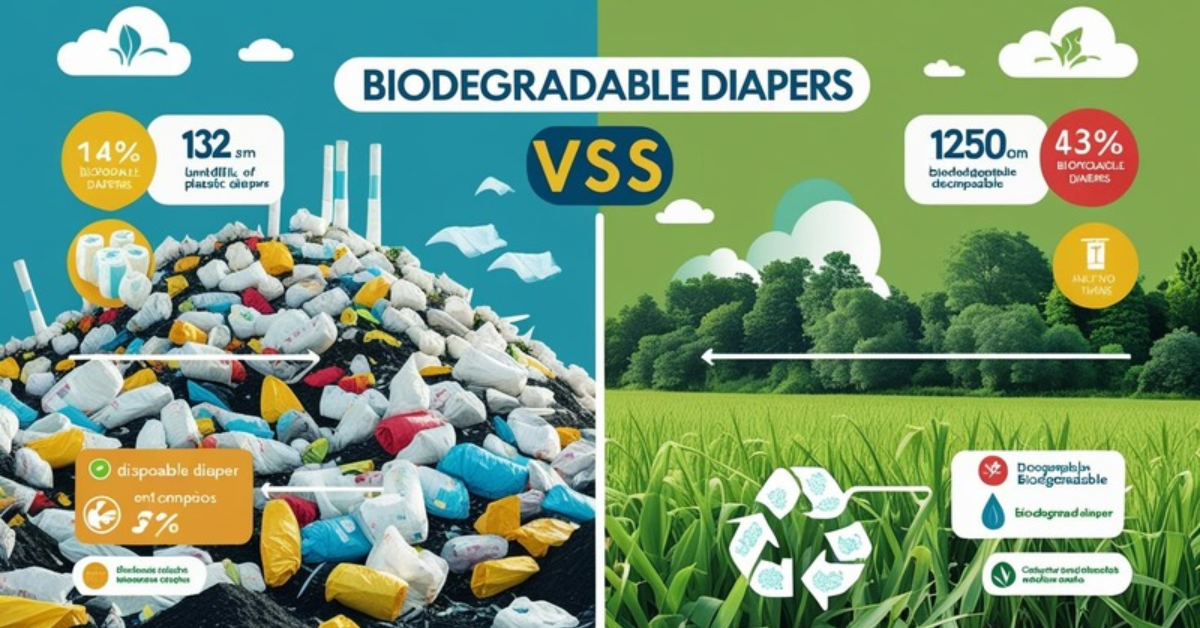
Are you tired of seeing mountains of plastic waste piling up in landfills? It’s an alarming problem that affects our environment, marine life, and even human health. Disposable diapers, which contribute massively to plastic pollution, are a key part of the issue, taking hundreds of years to break down.
But there’s good news—biodegradable diapers offer a sustainable solution! Made from eco-friendly materials like bamboo and organic cotton, these diapers decompose much faster, helping to reduce plastic waste while still providing comfort and convenience for parents. Switching to biodegradable diapers is a step toward a cleaner, greener future for your little one and the planet.
Biodegradable Diapers: A Sustainable Solution to Plastic Waste
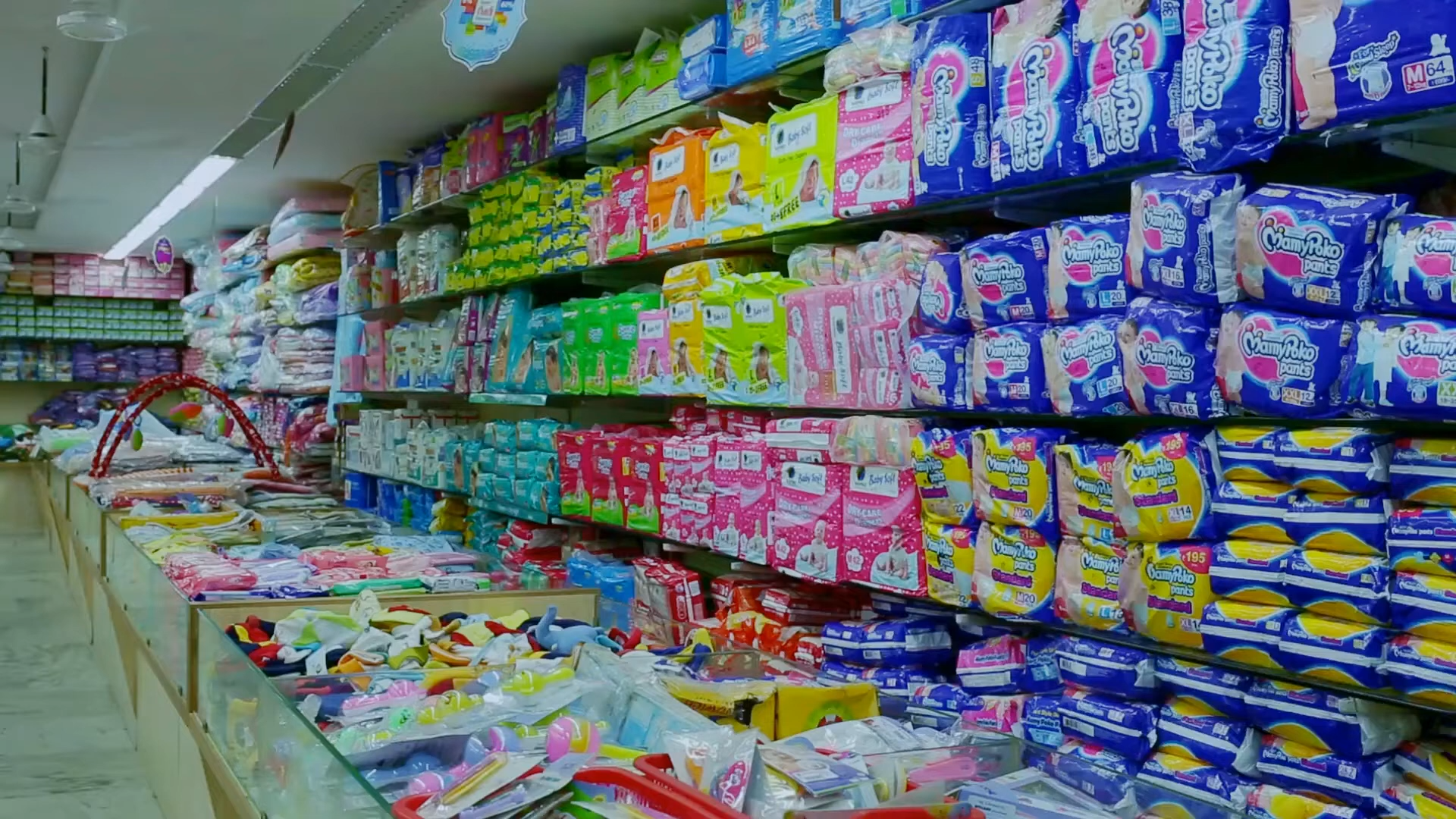
Biodegradable diapers are emerging as a sustainable solution to one of the most significant environmental challenges we face today—plastic waste. As the global concern around plastic consumption grows, biodegradable diapers are seen as a crucial step toward waste management and addressing the plastic pollution crisis. The diaper industry, valued at over US$ 54 billion in 2016 and projected to exceed US$ 71 billion by 2022, is currently dominated by single-use diapers. These products, while convenient and cost-effective, have a severe environmental impact, as they are made from plastic and other materials that can take hundreds of years to decompose.
The accumulation of these non-biodegradable materials in landfills and oceans is a growing concern for both the planet and marine life. As we continue to face environmental degradation, finding alternatives to plastic-based products like diapers is essential. Biodegradable diapers offer a promising solution to reduce plastic waste while providing the same convenience for parents. By replacing single-use plastic with biodegradable materials, we can contribute to a more sustainable future.
What Does Biodegradable Mean?
Biodegradable refers to materials that can be broken down naturally by microorganisms into simpler, environmentally harmless substances like water, carbon dioxide, and biomass. This process is essential for reducing waste and minimizing the environmental impact of the products we use daily. Biodegradation occurs under specific conditions, and factors such as the material’s properties, environmental factors, and the presence of microorganisms all influence how quickly the material breaks down.

Table: Single-Use vs. Biodegradable Diapers
| Factors | Single-Use Diapers | Biodegradable Diapers |
| Economical Roadmap | Linear | Circular |
| Sustainability | Not particularly sustainable | A sustainable approach |
| Degradation | A long time for degradation | A few years, more or less |
| Fossil Fuel Usage | More | Very little |
| Plastic | Has loads of plastic materials | Free from plastic approach |
| Price | Less | More |
| Availability | More | Less |
| Environmental Impact | Heavy | Very less |
Are Biodegradable Products Only Made from Plants?
Not all biodegradable products come from plants. While many biodegradable products are derived from natural, plant-based materials, “biodegradable” simply refers to a material’s ability to be broken down by bacteria or other living organisms. Some biodegradable products may even be made from synthetic or fossil-derived materials. What matters is that the product eventually decomposes without leaving harmful residues behind.
Are Biodegradable and Compostable the Same?
No, biodegradable and compostable are not the same. While both terms refer to the process of breaking down materials, the key difference lies in how they decompose. Biodegradable materials break down naturally over time, but the process can take varying lengths depending on environmental conditions. Compostable materials, on the other hand, break down into nutrient-rich compost within a specific timeframe, typically in industrial composting conditions. Understanding the difference is crucial when considering sustainable products, especially when it comes to diapers.
Can Diapers Be Compostable?
Composting diapers is not a viable option for most disposable diapers. This is because they contain both biodegradable and non-biodegradable materials, making them unsuitable for standard composting methods. Additionally, diapers often contain waste that can expose people to harmful pathogens if not properly processed. However, brands like Eco Pea Co. offer compostable diapers, which are made from biodegradable materials and come in compostable packaging. It’s important to note that composting these diapers should be done at a composting facility capable of handling the waste in the right conditions to ensure proper breakdown.

Here’s a Quick Summary on Biodegradable Diapers
“Biodegradable” means bacteria or other living organisms can break down a material into simple, environmentally safe substances. However, not all biodegradable materials decompose under all conditions, especially in landfills where the lack of oxygen hinders the process. While biodegradable diapers are a step in the right direction, it’s important to note that they are not fully biodegradable unless the right conditions are met.
A Guide to Eco-Friendly Diapering
As environmental concerns grow, more parents are looking for ways to make their diapering routines more eco-friendly. Whether you choose cloth diapers, disposable diapers, or biodegradable alternatives, there are many ways to reduce your carbon footprint while caring for your little one.
Cloth vs. Disposable Diapers
The debate between cloth and disposable diapers has been ongoing for years. Financially, cloth diapers require a higher upfront investment but can save money in the long run, especially if reused for more than one child. Cloth diapers are also reusable, which reduces waste. However, they require water, detergent, and electricity for washing, which has an environmental cost. On the other hand, disposable diapers are more convenient, but they contribute significantly to landfill waste and often contain harmful chemicals. Biodegradable diapers offer a middle ground, reducing waste and chemical exposure while maintaining convenience. Ultimately, the choice between cloth and disposable diapers depends on personal preference, but it’s essential to find a balance between convenience and sustainability.

Diapering Eco-Tips
Regardless of the type of diaper you choose, here are some eco-friendly tips to help reduce your environmental impact:
- Look at the ingredients: Always check for plant-based materials in diapers, as well as transparency about what they’re made from. Brands like Naty by Nature Babycare and Honest Diapers disclose their plant-based materials, which is a good indicator of sustainability.
- Think natural: Choose organic diapers when possible to avoid pesticides and harmful chemicals. Avoid synthetic fragrances, as many contain toxic substances like phthalates and carcinogens.
- Proper care: Washing cloth diapers isn’t as difficult as it may seem. With the proper routine, it can be an easy addition to your laundry. Consider line-drying diapers to save energy and reduce your carbon footprint.
- Proper disposal: Avoid using Diaper Genies or plastic bags to dispose of dirty diapers, as they contribute to plastic pollution. Opt for biodegradable or compostable diapers, and when possible, send them to a composting facility rather than throwing them in the trash.
Have You Heard of the Diaper Tax?
In the United States, one in three families experiences diaper need. Unfortunately, 29 states charge sales tax on diapers, which makes them even more expensive for low-income families. Reducing or eliminating state diaper taxes would help make diapers more affordable and accessible to those who need them most.

How Can I Make Diaper Access More Equitable?
Advocating for diaper tax reductions and supporting organizations like Baby2Baby, which provide diapers to families in need, can make a big difference. Hosting diaper drives and volunteering at diaper banks are also great ways to help those in need.
The First Biodegradable Diaper Revolutionizing the Diaper Industry
Diaper pollution is a significant environmental challenge, with billions of diapers ending up in landfills each year. The EU-funded PAWN project is working to develop a biodegradable diaper that addresses the environmental problems caused by traditional diapers.
Ecological Standards Meet Outstanding Performance
The PAWN project has produced a hybrid super absorbent polymer (SAP) that meets industry standards and performs just as well as traditional SAPs, but without the environmental impact. This biodegradable polymer is made from natural proteins and proprietary polymers, offering a solution that combines high absorbency with biodegradability.
A Sustainable Diaper Paving the Way for a Greener Future
This innovative biodegradable diaper is a game-changer for the diaper industry, paving the way for more sustainable, eco-friendly diapering solutions. As industrial-scale production moves forward, we can expect to see these diapers in the market, contributing to a more sustainable future for baby care.
Biodegradable Baby Diapers Market
The market for biodegradable baby diapers is expected to grow significantly between 2025 and 2035, driven by increasing environmental awareness and the growing preference for eco-friendly products.
Biodegradable Baby Diapers Market Analysis – Trends, Growth & Forecast 2025-2035
The biodegradable baby diapers market is projected to grow from USD 4.5 billion in 2025 to USD 12.1 billion by 2035, reflecting a CAGR of 7.9%. Key growth drivers include rising awareness about sustainability, increasing demand for organic baby products, and advancements in biodegradable diaper materials.

Regional Market Trends
North America:
North America is anticipated to dominate the biodegradable baby diapers market due to high consumer mindfulness regarding sustainability, strong demand for organic baby products, and effective government programs. The USA and Canada are witnessing a swell in eco-conscious parenthood trends, driving the demand for plastic-free, hypoallergenic, and compostable diapers.
Europe:
Europe is experiencing strong growth in the biodegradable baby diapers market, driven by strict environmental regulations, high adoption of organic baby products, and increasing interest in indirect economy solutions. Countries such as Germany, France, and the UK are at the forefront of promoting zero-waste parenthood and eco-friendly diapering solutions.
Asia-Pacific:
Asia-Pacific is poised to be the fastest-growing market due to the rising birth rate, increasing disposable income, and growing consumer shift toward decorative and eco-friendly baby care products. Countries like China, India, and Japan are witnessing a surge in demand for natural, non-toxic, and biodegradable diaper preferences.
Challenges and Opportunities
Challenges include high product costs and limited disposal infrastructure, but there are significant opportunities for growth in compostable diaper solutions, innovations in absorbent technology, and consumer education on proper disposal.
Conclusion
Biodegradable diapers offer a sustainable solution to reduce plastic waste and address environmental concerns. While challenges like high costs and disposal infrastructure remain, the growing market for eco-friendly products reflects a shift towards sustainability. With continued innovation and collaboration, biodegradable diapers can play a crucial role in creating a greener, more sustainable future for both families and the planet.
Frequently Asked Questions

James Parker
James Parker is an environmental expert, writer, and the founder of Envirose.com. Over the years, he has dedicated his work to studying sustainable practices, renewable energy solutions, and eco-conscious lifestyles. Through Envirose, he aims to inspire individuals to make small yet powerful changes in their daily lives that can collectively create a positive impact on the planet. When he’s not writing or researching, you’ll often find him outdoors, exploring nature and finding new ways to live in harmony with it.