Home » The Challenges and advantages of biofuels: A Comprehensive Overview
The Challenges and advantages of biofuels: A Comprehensive Overview
Written by Admin | June 22, 2025
Introduction
Are you tired of relying on fossil fuels that harm the planet and contribute to climate change? The need for sustainable energy solutions has never been more urgent. With fossil fuels depleting and their environmental impact increasing, we must look for alternative sources of energy that can help reduce greenhouse gas emissions and ensure energy security.
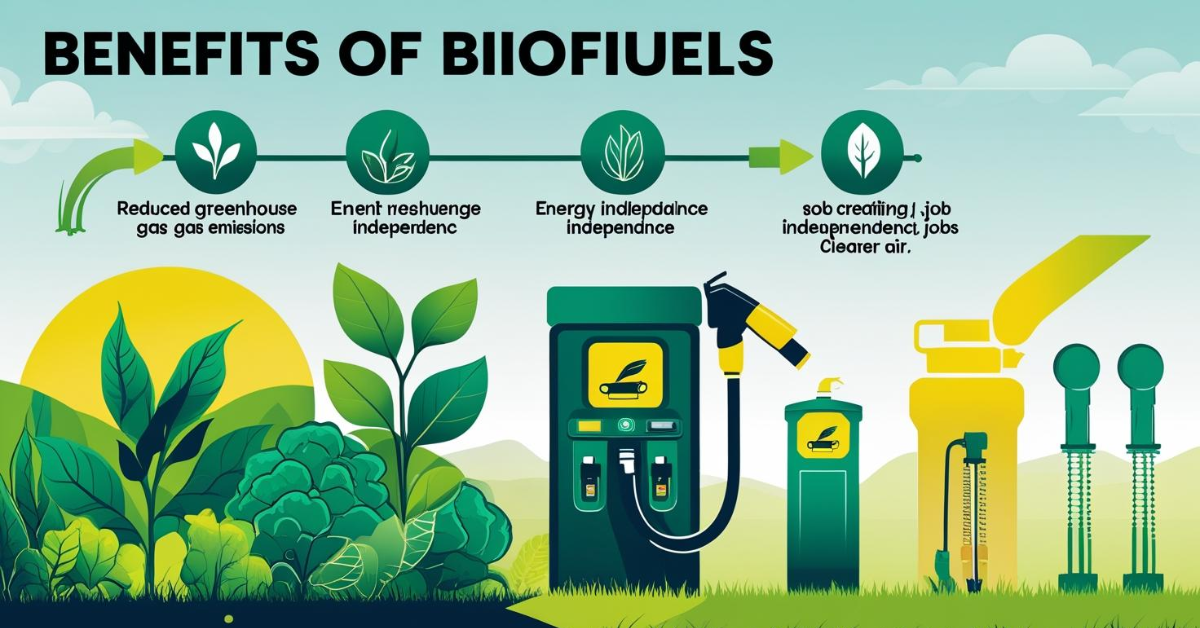
But here’s the solution: Biofuels. Derived from organic materials like plants, algae, and agricultural waste, biofuels offer a renewable and sustainable alternative to traditional fossil fuels. They are not only eco-friendly but also contribute to energy independence, create jobs, and help reduce the harmful pollutants in the air. In this blog, we’ll dive into the advantages of biofuels and how they can transform our energy future.
Advantages of Biofuels
1. Energy Efficiency
One of the key benefits of biofuels, especially biodiesel, is their energy efficiency. While petroleum diesel is more efficient in terms of usage in vehicles, biodiesel production is more energy-efficient. According to studies by the University of Idaho and the U.S. Department of Agriculture, for every unit of fossil fuel energy required to grow and refine soybeans into biodiesel, four and a half units of energy are generated. This contrasts with petroleum diesel, where less than one unit of energy is produced in return. As a result, biodiesel offers a much higher energy output compared to its input.
2. Reducing Foreign Oil Dependency
Switching to renewable energy sources like biofuels helps reduce dependence on foreign oil. By diversifying the energy mix with biofuels, nations can reduce their vulnerability to oil price fluctuations and geopolitical risks. Biofuels offer a domestic, renewable energy option that lowers the reliance on imported fossil fuels, making energy more secure and self-sustaining.
3. Health Benefits
Biofuels also contribute to improved air quality. In the United States, approximately 10,000 deaths each year are attributed to pollution from gasoline engines. Gasoline engines release nitrogen oxide and acetaldehyde, which react with sunlight to form smog, causing respiratory issues like lung disease and cancer. By using biodiesel or biomethane, particulate emissions are significantly reduced, resulting in cleaner air and better health outcomes.
4. Positive Economic Impact
Biofuels have a positive impact on the economy, particularly in rural areas. The biodiesel production industry has grown significantly in the last two decades. For example, in 1999, production was at around 500,000 gallons, while in 2009, it reached 545 million gallons. This growth added a remarkable $4.28 billion to the gross domestic product. As the demand for biofuels increases, more job opportunities are created in agriculture, manufacturing, and distribution.
5. Renewable Nature
One of the most essential advantages of biofuels is their renewable nature. Unlike fossil fuels, which are finite and take millions of years to form, biofuels can be continuously produced from renewable resources like crops and plant waste. As long as these resources are managed sustainably, biofuels provide a continuous and reliable source of energy.
6. Potential for Reduced Greenhouse Gas Emissions
Biofuels offer a significant advantage in terms of reducing greenhouse gas emissions. When biofuels are burned, they release carbon dioxide. Still, the amount of CO2 released is offset by the amount absorbed by the plants during their growth, making biofuels a carbon-neutral energy source. This is in stark contrast to fossil fuels, which release carbon that has been stored underground for millions of years, contributing to global warming.

7. Sustainability
Biofuels are more sustainable than their fossil fuel counterparts. Fossil fuels are finite and will eventually run out, but biofuels are renewable. As long as we maintain sustainable agricultural practices and manage the land responsibly, biofuels can provide a continuous source of energy. Additionally, biofuels can be made from a wide variety of plants, offering versatility in their production.
8. High-Quality Engine Performance
Biofuels also offer superior engine performance. Biofuels like biodiesel can be used in existing diesel engines with little or no modification. Studies have shown that biofuels can even help extend the life of engines due to their high lubricating qualities. This can result in less wear and tear on engine components and reduce the frequency of maintenance, saving both time and money.
9. Cost-Benefit
Currently, biofuels like bioethanol are competitively priced in comparison to gasoline. However, as demand for biofuels grows and production technology advances, the cost of manufacturing biofuels is expected to decrease, making them even more cost-effective in the future. The environmental costs of fossil fuels, such as their impact on climate change, can be significantly reduced by switching to biofuels.
10. Economic Security
For countries without large oil reserves, biofuels provide a way to reduce economic dependence on oil imports. By developing biofuel production capabilities, nations can increase their energy independence, supporting their agricultural sectors and creating jobs. This can also make national economies more resilient to global energy market fluctuations.
11. Low Pollution
Biofuels produce fewer emissions compared to traditional diesel fuels. They burn cleaner, resulting in lower carbon dioxide and particulate emissions. Additionally, biofuels are biodegradable and reduce the risk of underground contamination or groundwater pollution in case of spills during transport, storage, or use.
12. Fuel Efficiency
Biofuels like bioethanol and biodiesel increase the fuel efficiency of vehicles and machinery. These fuels can be used as additives or substitutes for conventional fuels, improving vehicle performance. However, it is essential to ensure that these fuels are free from contaminants that could damage engines.
13. Affordability
Currently, biofuels are slightly less expensive to produce than conventional gasoline. As technology advances and production scales up, the price of biofuels is expected to fall, making them even more affordable. Moreover, using biofuels eliminates the environmental costs associated with fossil fuels, further enhancing their cost-effectiveness.
14. Renewability
Biofuels are renewable resources, unlike fossil fuels, which are finite. They can be produced and replenished quickly, offering a steady and accessible energy source. Unlike traditional energy sources, biofuels do not depend on geological processes that take millions of years.

15. Durability of Engines
Biofuels are known to improve the durability of engines. Due to the higher concentration of cetane, biofuels act as more effective lubricants, reducing engine wear over time. This leads to lower maintenance costs and longer-lasting vehicle performance, benefiting both the environment and the vehicle owner.
Challenges of Using Biofuels
1. Land Use and Deforestation
One significant challenge of biofuels is the risk of deforestation. As demand for biofuel feedstocks increases, there may be an increase in land clearing for crop cultivation, which can lead to habitat destruction and biodiversity loss.
2. Food vs. Fuel Debate
The use of crops for biofuel production has sparked concerns about food security. Critics argue that dedicating agricultural land to fuel production rather than food production could result in higher food prices and scarcity, particularly in developing countries.
3. Energy Balance and Efficiency
Biofuel production requires energy inputs like fertilisers and machinery. This energy input can reduce the overall energy balance of the biofuel production process. To optimise energy output, production methods need to be continually improved.
4. Technological Limitations
While biofuels have significant potential, there are still technological limitations to overcome. For example, converting lignocellulosic biomass into biofuels remains an economically and technically challenging process that requires further research and development.
Environmental Impact of Biofuels

1. Reduction in Carbon Dioxide Emissions
Biofuels can significantly reduce carbon dioxide emissions when compared to fossil fuels. The carbon dioxide released during combustion is offset by the carbon absorbed by plants during growth, making them a carbon-neutral energy source.
2. Potential for Lower Air Pollutant Emissions
Biofuels, particularly bioethanol, have a higher oxygen content, leading to more complete combustion. This results in fewer harmful pollutants being released into the air, including carbon monoxide and volatile organic compounds.
3. Contribution to Energy Security
Biofuels contribute to energy security by diversifying the energy supply. If one energy source becomes unavailable or too expensive, biofuels provide a reliable alternative.
4. Rural Development and Job Creation
Biofuel production can create job opportunities, especially in rural areas where agricultural feedstocks are grown. It offers economic opportunities for farmers and stimulates growth in local communities.
Case Studies or Examples
1. Case Study: Brazil’s Success with Sugarcane Ethanol Production
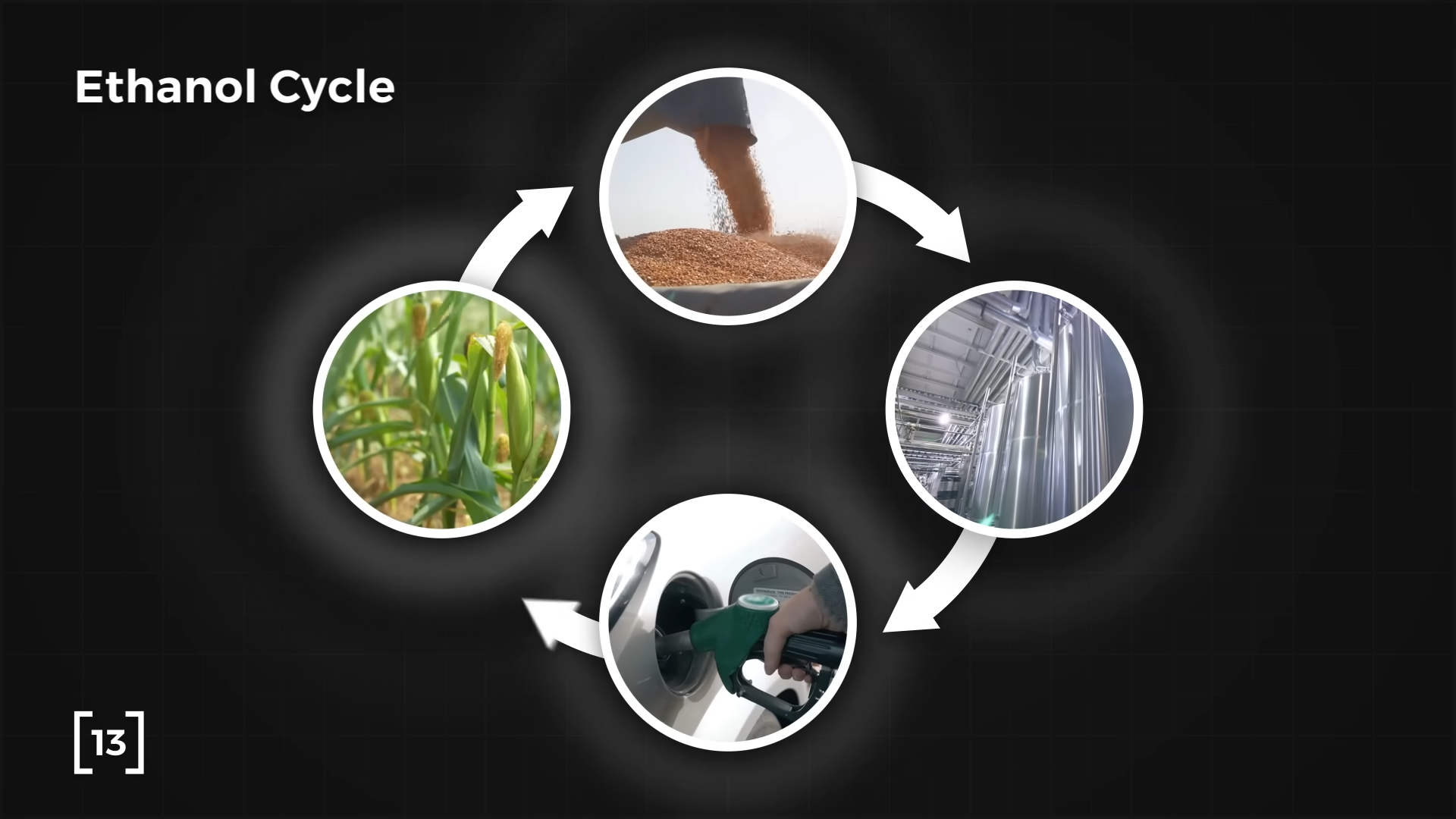
Brazil is a global leader in sugarcane ethanol production. The country’s favourable climate and abundant land have enabled it to reduce its dependence on fossil fuels by producing large quantities of ethanol, promoting sustainability.
2. Case Study: United States’ Experience with Corn-Based Ethanol
The U.S. has been a pioneer in corn-based ethanol production. The Renewable Fuel Standard (RFS) of 2005 mandated the blending of ethanol in gasoline, boosting the growth of the biofuel industry and supporting agriculture.
3. Case Study: European Union’s Biofuel Policies and Impacts
The EU has implemented policies to promote biofuels as part of its commitment to reducing greenhouse gas emissions. However, concerns have arisen regarding the sustainability of biofuels, especially related to indirect land use changes and deforestation.
Current Trends or Developments in Biofuel
1. Technological Advances in Biofuel Production
Ongoing technological advancements in biofuel production are improving efficiency and sustainability. Innovations such as advanced fermentation techniques and genetically modified organisms (GMOs) show promise for increasing yields and reducing production costs.
2. Government Initiatives and Policies
Governments are implementing policies to support biofuel production, including tax credits, renewable fuel standards, and incentives to encourage the growth of the biofuel industry.
3. Research Findings on Biofuel Sustainability and Environmental Impact
Research is providing critical insights into biofuel sustainability. Studies focus on land use changes, water consumption, and lifecycle assessments to ensure that biofuels are produced and used sustainably.
Future Outlook for Biofuels
1. Expansion of Second-Generation Biofuel Technologies
Second-generation biofuels, made from agricultural residues and waste materials, offer a more sustainable alternative to first-generation biofuels. These technologies are expected to grow in the coming years.
2. Integration of Biofuels with Renewable Energy Systems
Integrating biofuels with renewable energy systems like wind and solar power can provide a more efficient and stable energy mix. Biofuels can complement intermittent renewable sources, ensuring a steady energy supply.

Conclusion
Biofuels present a significant opportunity to reduce our reliance on fossil fuels and combat climate change. They offer a renewable, sustainable, and environmentally friendly energy source with multiple benefits, including lower greenhouse gas emissions, improved air quality, and enhanced energy security. However, the challenges related to feedstock availability, land use, and infrastructure development need to be addressed for biofuels to reach their full potential. With continued advancements in technology and supportive government policies, biofuels can contribute significantly to a sustainable and resilient energy future.
Frequently Asked Questions about Biofuels

James Parker
James Parker is an environmental expert, writer, and the founder of Envirose.com. Over the years, he has dedicated his work to studying sustainable practices, renewable energy solutions, and eco-conscious lifestyles. Through Envirose, he aims to inspire individuals to make small yet powerful changes in their daily lives that can collectively create a positive impact on the planet. When he’s not writing or researching, you’ll often find him outdoors, exploring nature and finding new ways to live in harmony with it.