Home » Are Milk Cartons Recyclable? Here’s What You Need to Know
Are Milk Cartons Recyclable? Here’s What You Need to Know
Written by Admin | June 22, 2025
Are that empty milk carton you just tossed into the trash recyclable? You’re not alone. Every day, millions of people face the same dilemma: are milk cartons recyclable, or does it just end up in the landfill? While this might seem like a simple question, the answer isn’t always straightforward, as it depends on various factors such as the type of carton, local recycling programs, and the materials used.
But here’s the good news – are milk cartons recyclable, and more people are getting access to carton recycling than ever before! In this guide, we’ll break down everything you need to know about milk carton recyclability, how to dispose of them properly, and how small actions can make a significant impact on our environment. Let’s dive in and explore the many ways you can help the planet by recycling your milk cartons!
Understanding Milk Cartons
Milk cartons come in different types and materials, and understanding the composition of each can help us better understand how to recycle them.
- What Makes Up a Milk/Juice Carton?
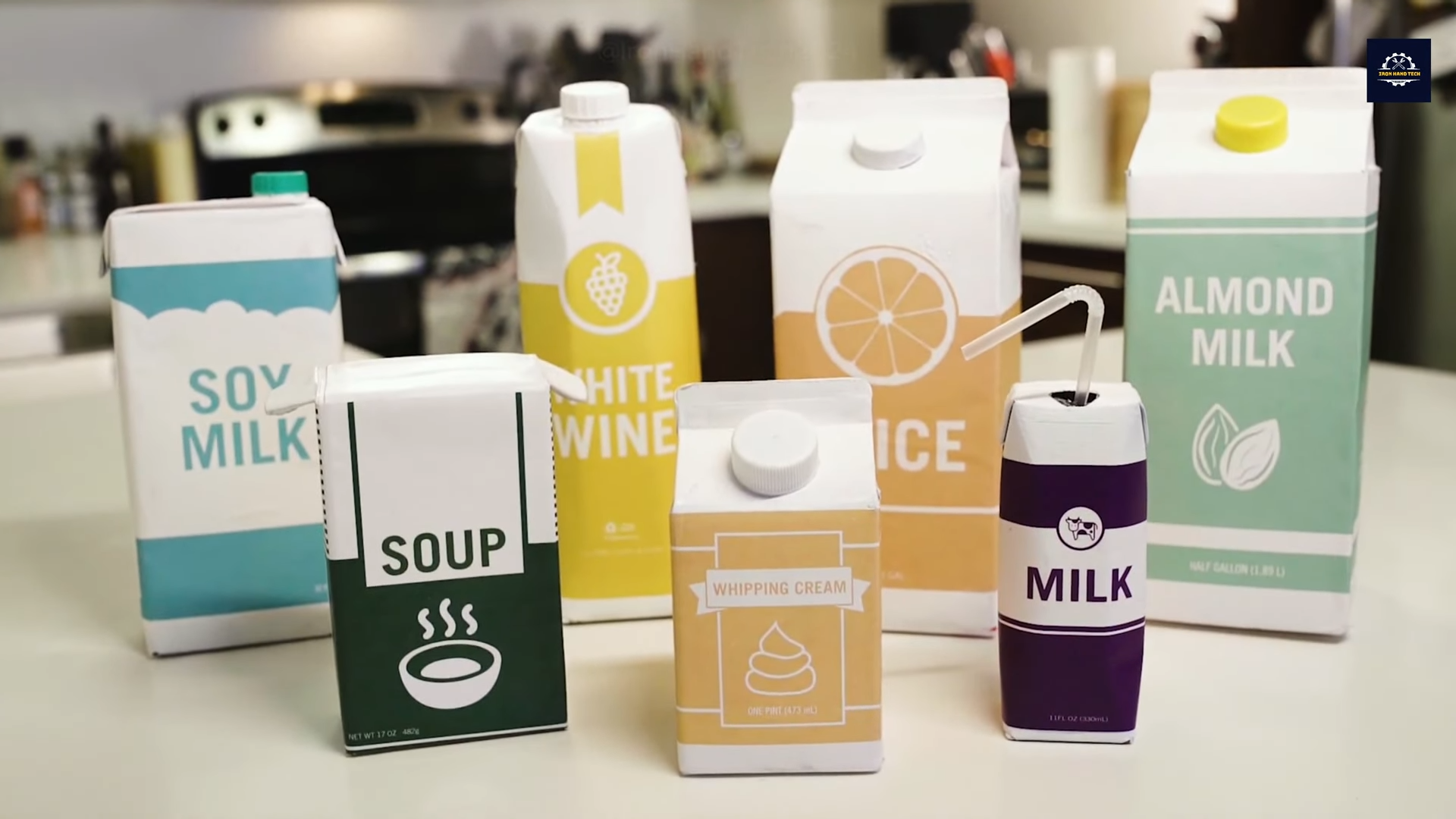
Milk cartons are typically made from layers of paper, plastic, and sometimes aluminum. These layers are combined to create durable packaging that protects the product inside. There are two primary types of milk cartons:
- Gable-Top Cartons: These are the traditional cartons you will often find in the refrigerated section of your grocery store. They are made of paperboard and are coated with a thin layer of plastic on the inside to make them waterproof. Gable-top cartons are commonly used for refrigerated beverages like milk, juice, and cream.
- Aseptic Cartons: These are also known by the brand name Tetra Pak. These cartons are typically shelf-stable and contain multiple layers, including paper, plastic, and aluminum. They are used for products that don’t require refrigeration, such as plant-based milks, juices, soups, and broths.
- Gable-Top Cartons: These are the traditional cartons you will often find in the refrigerated section of your grocery store. They are made of paperboard and are coated with a thin layer of plastic on the inside to make them waterproof. Gable-top cartons are commonly used for refrigerated beverages like milk, juice, and cream.
- Types of Milk Cartons
- Gable-Top Cartons (Refrigerated Cartons): These cartons are made primarily of paper and plastic, and they are used for refrigerated products like milk and juice.
- Aseptic Cartons (Shelf-Stable Cartons): These cartons are made of paper, plastic, and aluminum and are used for non-refrigerated products like soups, broths, and plant-based beverages. Both types are recyclable in many areas
- Gable-Top Cartons (Refrigerated Cartons): These cartons are made primarily of paper and plastic, and they are used for refrigerated products like milk and juice.
| Type of Carton | Main Materials | Recyclability | Usage |
| Gable-Top Cartons | Paper, Plastic | Yes (depends on local program) | Refrigerated products like milk, juice |
| Aseptic Cartons | Paper, Plastic, Aluminum | Yes (depends on local program) | Shelf-stable products like juice, soups, wine |
| Fresh Cartons | 80% Paper, 20% Plastic | Yes (accepted by most councils) | Fresh refrigerated milk, cream |
| Long-Life Cartons | 74% Paper, 22% Plastic, 4% Aluminum | Yes (depends on local program) | Non-refrigerated products like long-life milk |

The Recyclability of Milk Cartons

Recycling milk cartons is a critical practice, but it’s essential to know the requirements for your specific area. The process of recycling these cartons helps to reduce waste in landfills and conserve valuable resources.
- Why Should I Recycle Milk Cartons?
Recycling milk cartons not only helps reduce landfill waste but also contributes to conserving natural resources. Every year, over one billion beverage cartons are used in the U.S. alone, and recycling these cartons helps prevent them from taking up space in landfills. Cartons are made primarily from paper, which is a renewable resource, and recycling them helps ensure these valuable materials remain in use rather than being wasted.
Cartons also have a lower environmental impact when compared to other forms of packaging. They are lightweight, which means they require less energy to transport and refrigerate. This ultimately helps reduce the carbon footprint of transporting and storing products in cartons. - Can I Recycle Paper Cartons?
Yes, you can recycle paper cartons! However, before recycling, make sure that the carton is empty and rinse it to remove any remaining liquid. Don’t flatten the carton, as it is easier for recycling facilities to process them in their original shape. If your carton has a straw, push it inside, and if it has a cap, screw it back on to ensure it doesn’t separate and create waste. - What Are the Different Types of Cartons? Can They All Be Recycled?
Both gable-top cartons (refrigerated) and aseptic cartons (shelf-stable) are made from layers of paper, plastic, and sometimes aluminium. Both types can be recycled, but it depends on local programs whether your area accepts them. Always check with your local recycling provider to see which types of cartons are accepted in your curbside program. - What Happens to My Cartons After I Recycle Them?
Once you’ve placed your empty carton in the recycling bin, it is transported to a Materials Recovery Facility (MRF), where it will be sorted and processed. At the recycling facility, the cartons are subjected to a process called hydra pulping, where they are mixed with water to break down the paper fibres. These fibres are then separated from the plastic and aluminum layers. The paper pulp can be used to make new products like tissue, office paper, and even cardboard. The separated plastic and aluminium materials are then repurposed for products like ceiling tiles, and wallboards or even as a source of energy for the recycling facility. - Common Misconceptions About Cartons
- Cartons are not recyclable: False
Cartons are recyclable! In fact, they are made from high-quality materials like paper, plastic, and aluminum that can be used to make new products. The recycling industry has made significant strides in increasing the availability of carton recycling programs. - I can’t recycle cartons because they don’t have a symbol on them: False
While cartons are still working towards placing recycling symbols on their packaging, they are still recyclable. Not every product needs to display a recycling symbol for it to be recyclable. You can check with your local recycling program for specific guidelines. - Cartons are wax-coated: False
Modern cartons do not contain wax. Cartons are made of paper with a thin layer of plastic and aluminum to protect the contents from spoilage.
- Cartons are not recyclable: False
How Are Milk Cartons Recyclable?

The process of recycling milk cartons involves separating their components to make new products.
- How Does Carton Recycling Work?
Cartons are sorted at the recycling facility and then sent to paper mills, where they are mixed with water and subjected to hydra pulping, which separates the paper fibres from the plastic and aluminium layers. The fibres are processed into new paper products, while the plastic and aluminium materials are used for other applications, such as building materials or energy generation. - How Are Recycled Cartons Used?
Recycled paper fibres from cartons are used to make products like tissue paper, office paper, and cardboard. The plastic and aluminium materials are repurposed for items like ceiling tiles, wallboard, or other building materials. - Challenges in Carton Recycling
The primary challenge in recycling cartons lies in separating the plastic and aluminum from the paper. However, recycling technology has been improving, and more facilities are becoming equipped to handle cartons more effectively.
How to Recycle Milk Cartons
Recycling milk cartons is relatively simple but depends on your local recycling program. Here’s what you need to know:
- Curbside Collection
Many local recycling programs now accept milk cartons for curbside pickup. Be sure to rinse the cartons before placing them in the recycling bin. Some programs may ask you to leave the cap on or push the straw inside, so be sure to check local guidelines. - Mail-in Recycling
If your local recycling program does not accept cartons, you may be able to mail them to a recycling facility. Some areas have designated drop-off locations for cartons. The Carton Council also provides instructions for mailing cartons for recycling.
Ways to Reuse Milk Cartons
If you prefer to reuse rather than recycle, there are plenty of ways to give milk cartons a second life.
Creative Uses for Empty Milk Cartons
- Upcycle for Home Projects: Milk cartons can be used for various DIY projects, such as storage containers or craft materials for children.
- Gardening Uses: Milk cartons are perfect for creating small planters for seedlings or using larger cartons as compost bins.
Promoting Sustainability
Recycling and reusing milk cartons help promote sustainability by conserving resources and reducing waste.
- Why Recycle Milk Cartons?
Recycling helps reduce landfill waste, conserves resources, and supports sustainable practices in the packaging industry. By recycling milk cartons, we contribute to a circular economy, where materials are reused, reducing the need for new raw materials. - Top Responsible Carton Manufacturers
Companies like Tetra Pak, Elopak, SIG Combibloc, and Evergreen Packaging are leading the way in making cartons more recyclable and ensuring that the materials are reused rather than wasted. - Getting Involved in Carton Recycling Initiatives
Join local recycling programs and support brands that prioritize sustainability. Recycling efforts have increased across the country, and by participating in these initiatives, you can help reduce the environmental impact of waste.

Frequently Asked Questions (FAQ)
Conclusion: Small Actions Lead to Big Impacts
Recycling milk cartons is an easy yet impactful action that contributes to environmental sustainability. Whether it’s through proper disposal, upcycling cartons, or supporting sustainable brands, every small step matters in protecting our planet. By recycling, we are not only reducing waste but also conserving valuable resources for future generations.

James Parker
James Parker is an environmental expert, writer, and the founder of Envirose.com. Over the years, he has dedicated his work to studying sustainable practices, renewable energy solutions, and eco-conscious lifestyles. Through Envirose, he aims to inspire individuals to make small yet powerful changes in their daily lives that can collectively create a positive impact on the planet. When he’s not writing or researching, you’ll often find him outdoors, exploring nature and finding new ways to live in harmony with it.