Home » How to Recycle and Reuse Aluminum Foil: Can You Recycle Aluminum Foil?
How to Recycle and Reuse Aluminum Foil: Can You Recycle Aluminum Foil?
Written by Admin | June 22, 2025
Introduction
Are you tossing that crumpled piece of aluminum foil into the trash without a second thought? It’s easy to overlook, but this seemingly insignificant act can have a significant environmental impact. Every year, millions of tons of aluminum foil are thrown away, contributing to landfill waste and wasted energy. At the same time, it seems like an innocent move; not recycling aluminium foil properly actually harms the planet.
But here’s the good news – you can make a real difference. Recycling aluminum foil is not only possible, but it’s also incredibly beneficial. With a little effort to clean and prepare your foil properly, you can contribute to reducing energy consumption, conserving natural resources, and lowering carbon emissions. Let’s explore how simple actions like scrunching and cleaning foil can help you play your part in building a more sustainable world.
Why Recycle Aluminum Foil?
Recycling aluminum is highly beneficial for both the environment and energy conservation. Aluminum is one of the highest-value materials you can recycle, and it can be reprocessed into new aluminum in just 60 days. In fact, recycling aluminum requires 90% less electricity than producing new aluminum from bauxite ore, according to the U.S. Energy Information Agency.
Around 60% of the aluminum produced in the U.S. is recycled, and up to 90% of aluminum cans and foil distributed in states with aggressive recycling programs are processed. However, in some states, only about 35% of aluminum foil is recycled. On average, around 2.7 million tons of aluminum are landfilled every year, which could be avoided if more people recycled their foil. Recycling that aluminum could save enough energy to power 378 billion hours of light from a 100-watt bulb — that’s enough power to light up the entire population of the U.S. for almost two months.
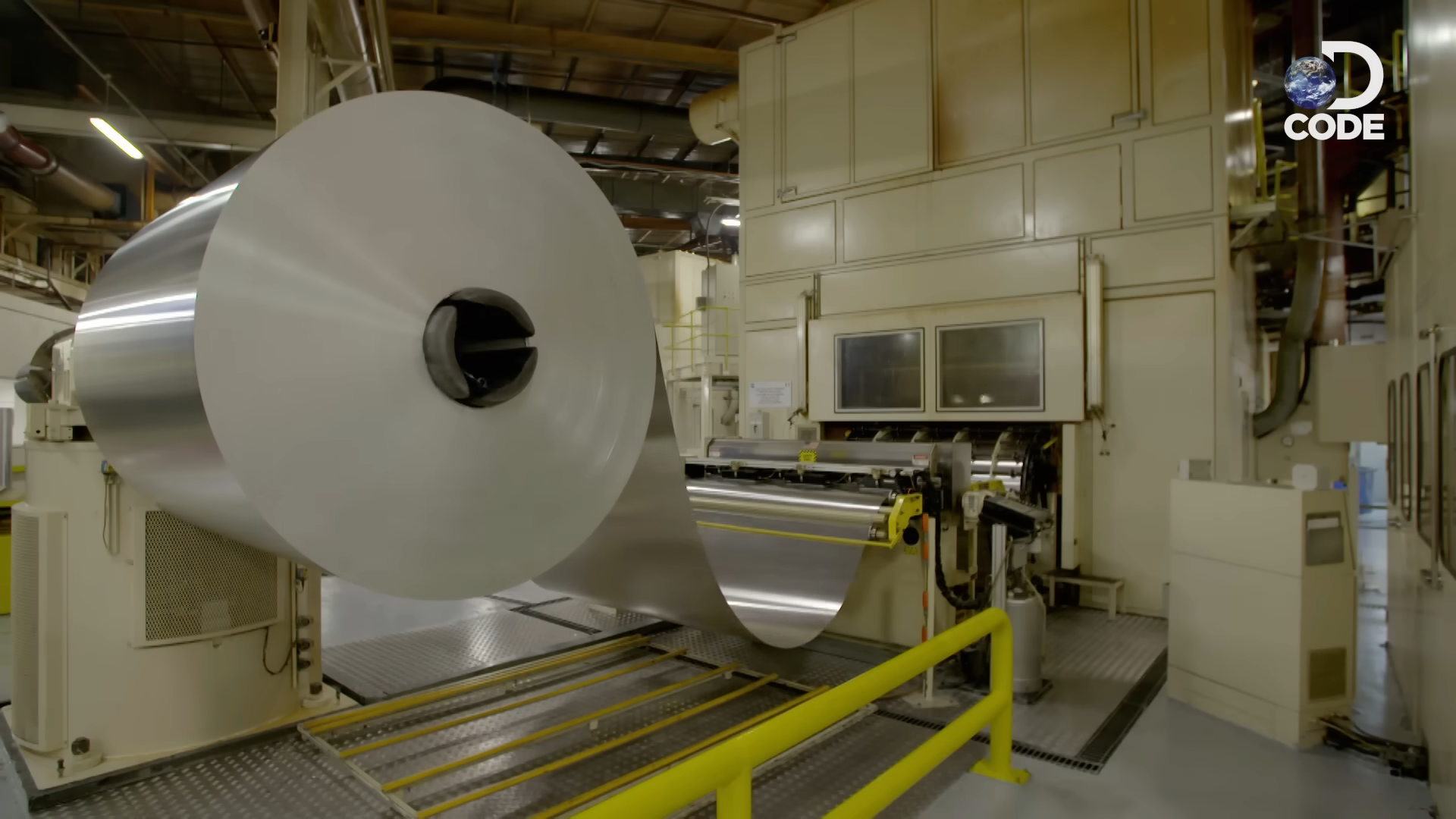
Aluminum Foil Recycling Preparation

Before you drop off your aluminum foil for recycling, it’s essential to ensure it’s prepared correctly. Here’s how you can get it ready:
- Clean the foil: Make sure your aluminum foil is as clean as possible. Food residues like meat, sauces, and fats can contaminate the recycling process, so always rinse your foil before recycling. While burns and holes won’t affect the recyclability of the metal, any leftover food on the foil can render it non-recyclable.
- Separate composite materials: If your aluminum foil is combined with other materials like plastic (e.g., yogurt tops or drink boxes), it must be separated for recycling. These composite materials can’t be broken down into their components, which is why they must be thrown away if they can’t be cleaned or separated.
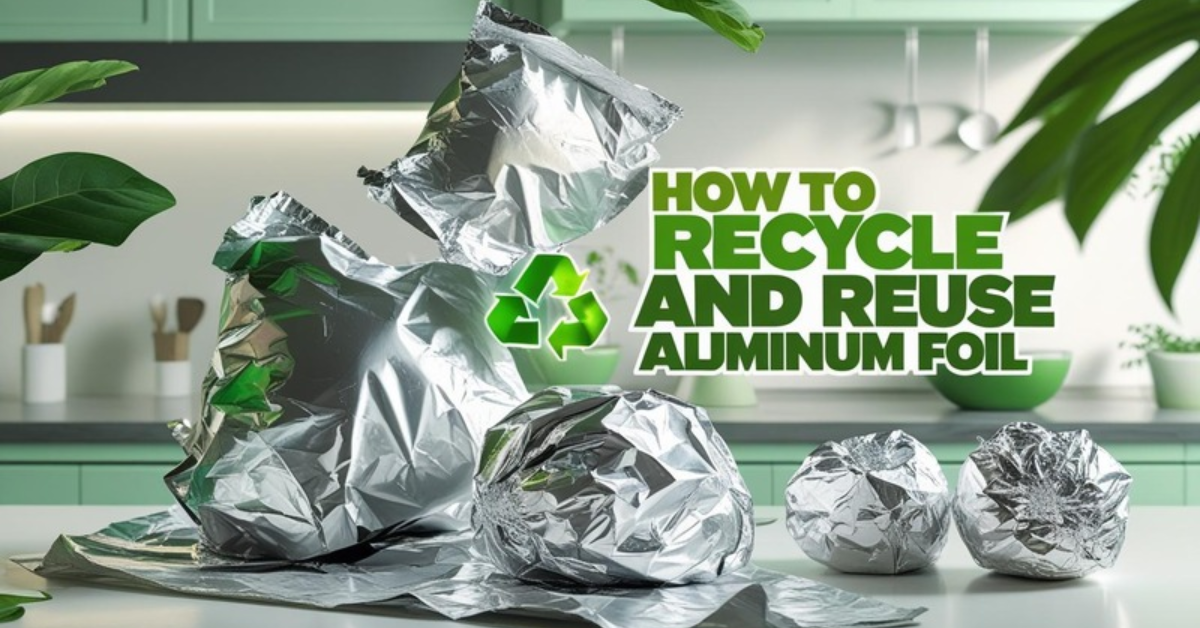
- Crumple the foil: Aluminum foil is light and can get caught in recycling machinery if it’s not handled properly. For easier recycling, crumple your foil into a ball with a diameter of at least 2 inches. This will help prevent it from blowing away or jamming equipment.
How to Recycle Foil
Once your foil is clean and prepared, here’s how you can recycle it effectively:
- Wipe or dip foil trays: To remove crumbs and food residue, rinse or wipe down foil trays in washing-up water.
- Scrunch foil: Gather kitchen foil, aluminum pot lids, and wrappers and scrunch them together to form a ball. The bigger the ball, the easier it is to recycle.
- Leave screw-top lids on jars and wine bottles: Don’t remove aluminum screw-top lids. They can be recycled along with the jars and bottles they come with.
How to Check if Your Foil is Recyclable
Is your foil recyclable? Here’s an easy way to check:
- The Scrunch Test: Scrunch the item in your hand. If it stays scrunched in a ball, it’s likely recyclable aluminum. However, if it springs back to its original shape, it is not aluminum foil.
Aluminum foil is made from the same material as soda cans, and while it is recyclable, many curbside recycling programs do not accept it due to contamination risks. If you’re unsure about your local recycling guidelines, check with your local transfer station or use a Recycling Locator to find a drop-off location near you.
Which Foil or Aluminum Items Can Be Recycled?

If you’re still asking, can you recycle aluminum foil and other aluminum items, here’s a quick guide to what can be recycled:
- Foil food trays, barbeque trays, and takeaway containers
- Kitchen foil, aluminum pot lids, and wrappers
- Drinks cans
- Screw-top lids from wine bottles
It’s essential to ensure that these items are clean and free from food waste before placing them in the recycling bin.

Aluminum Foil: Unwrapping the Myths and Facts of Its Recyclability
When we think about recycling, the first things that likely come to mind are plastic bottles, paper, and perhaps glass. But what about that crumpled sheet of aluminum foil left over from wrapping last night’s dinner? Is aluminum foil recyclable, or is it destined for the trash? The answer isn’t as simple as it may seem. Let’s explore the intricacies of aluminum foil recycling and understand how companies like Ecoverva are paving the way for more sustainable waste management.
The Versatility and Challenge of Aluminum Foil
Aluminum foil is one of the most versatile tools in the kitchen, used for covering dishes, lining baking sheets, and preserving food. However, recycling poses a unique challenge. Although it’s made from the same material as soda cans—highly recyclable aluminum—the story of recycling aluminum foil is a bit more complex.
The good news is that aluminum foil is recyclable. However, the process isn’t as straightforward as tossing a clean soda can into the bin. Contaminants like food residue and grease can hinder the recycling process. So, while aluminum foil can indeed be recycled, it needs to meet specific conditions. Let’s dive deeper into why recycling aluminum foil is both crucial and tricky.
Why It’s Tricky
At its core, aluminum foil is just as recyclable as aluminum cans. In fact, according to the Aluminum Association, over 75% of all aluminum produced is still in use today because of the recycling process. Aluminum is a durable material that doesn’t lose its quality when recycled, making it an environmental champion. However, the primary difference between a soda can and used aluminum foil lies in its usage.
A soda can is typically clean, while aluminum foil often comes into contact with food and grease. These contaminants make it difficult for recycling facilities to process the foil. Dirty foil can lead to entire batches of recyclables being rejected, diverting the materials back to the landfill. For aluminum foil to be recycled successfully, it must be free of food residue.
The Importance of Clean Foil
Recycling facilities are designed to process clean materials. When contaminants such as grease, sauces, or food scraps are present, they can disrupt the recycling process, requiring additional labour and sometimes leading to wasted efforts. A small bit of leftover lasagna on your foil might seem insignificant, but when combined with other materials, it can cause the entire load to be unusable.
Fortunately, cleaning your foil is easy. All it takes is a quick rinse to remove food residue, ensuring that your aluminum foil is ready for the recycling bin. If the foil is too dirty to clean, consider reusing it for other purposes. Aluminum foil is durable enough to withstand several uses before recycling becomes necessary.
Pro Tip: If you’re unable to clean the foil, reuse it in your kitchen for non-food-related tasks such as wrapping non-perishable items or lining trays for easy cleanup.
The Environmental Impact of Recycling Aluminum
Recycling aluminum is crucial because it saves a tremendous amount of energy. In fact, recycling aluminum takes 95% less energy than producing it from raw materials. This massive energy saving translates into fewer greenhouse gas emissions and a much smaller carbon footprint. Recycling one ton of aluminum, for instance, saves about 14,000 kilowatt-hours of energy—enough to power a home for a year.

Beyond energy savings, recycling aluminum also conserves natural resources. Since aluminum is derived from bauxite ore, mining operations create ecological disruptions, deforestation, and water contamination. Recycling aluminum reduces the need for new bauxite, helping to preserve the environment.
Aluminum Recycling Stats
Let’s take a moment to consider some eye-opening statistics about aluminium recycling:
- Americans throw away nearly 1.5 million tons of aluminum each year, with only about 35% being recycled, according to Recycling Today.
- Recycling one aluminum can saves enough energy to run a TV for three hours.
- Aluminum is infinitely recyclable without degradation, meaning it can be repurposed over and over again without losing its properties.
These figures highlight the importance of making aluminum recycling a priority in everyday life.
How Companies Like Ecoverva Drive Sustainability
While individuals play an important role in recycling, larger sustainability initiatives come from companies like Ecoverva. They specialise in responsible waste management and recycling services, extending far beyond just aluminum. From e-waste and batteries to light bulbs, Ecoverva has facilities to ensure that waste is diverted from landfills and repurposed in a way that benefits the environment.
What sets Ecoverva apart is their commitment to the circular economy. By focusing on reducing waste, reusing materials, and refining processes, they ensure that resources continue to circulate in the economy rather than being discarded. Their work prevents thousands of tons of waste from polluting landfills, helping to build a more sustainable future for all.
Aluminum Foil Recycling: The Road Ahead
Where does this leave us when it comes to aluminum foil? The bottom line is this: yes, aluminum foil is recyclable, but only if it is clean. This small distinction can make the difference between a batch of recyclables ending up in a landfill or being successfully processed.
The recycling of aluminum foil may seem like a small action, but it has large ramifications. If more people take the extra step to clean their foil before recycling it, the positive impact on the environment will be noticeable.
How Ecoverva Leads the Way in Aluminum Foil Recycling
Speaking of sustainability, Ecoverva has also joined the movement to ensure that aluminum foil recycling is done responsibly and efficiently. Known for its focus on environmental sustainability, Ecoverva implements specialised recycling methods to handle aluminum waste, including used foil. By working with local waste management facilities, they ensure that aluminum foil is cleaned and processed correctly, reducing contamination and increasing recycling rates.
Ecoverva also educates the public about the importance of aluminum recycling, spreading awareness about the need for clean materials. They help customers and businesses understand the best practices for recycling the aluminum foil, contributing to a larger effort to reduce the overall environmental footprint. Through their initiatives, Ecoverva plays a vital role in supporting the circular economy, ensuring that resources are reused, not wasted.
Ways to Reuse Aluminum Foil

- Deter Garden Pests: If you put collars of the foil around a plant’s base or hand it in strips in your garden, it will help keep the birds, insects, and other animals away.
- Toys: Challenge kids to reshape the foil to create metallic toys, such as robots, sailor hats, or spaceships. This encourages reusing the foil and stimulates creativity.
- Scrubber: Compress foil, add baking soda, and clean pans, pots, and even rust from chrome and steel.
- Ironing: Place a foil sheet under the ironing board cover to improve ironing by reflecting heat from the bottom.
- Cleaning Silver and Jewelry: Use foil, hot water, and baking soda to clean jewellery or silverware without scrubbing.
- Sharpen Scissors: Fold a used piece of foil multiple times and cut it with scissors to sharpen the blades.
- Re-Glue Vinyl Tiles: Use aluminum foil and iron to fix loose self-stick vinyl tiles.
- Catch Drippings or Ashes in the Fireplace or Grill: Fold a used foil sheet and place it under the grill or fireplace grate to catch drippings and ash.
- While Painting: Use foil instead of duct tape to protect fixtures from paint or create texture on walls.
- Reduce Static Cling: Make a tight ball from the used foil and toss it in the dryer to reduce static cling.
- Protect Plants: Wrap a young plant’s stem loosely in aluminum foil to protect it from insects.
Conclusion: Small Actions Lead to Big Impacts
In conclusion, can you recycle aluminum foil? Yes, you absolutely can! Aluminum foil is indeed recyclable, but it requires a bit of effort. Ensuring that your foil is clean before placing it in the recycling bin can make a big difference in the success of the recycling process. The energy saved from recycling aluminum—up to 95% less than creating new material from raw resources—has a substantial positive effect on the environment.
Furthermore, companies like Ecoverva are leading the charge toward a more sustainable future by promoting recycling initiatives, educating consumers, and working to close the loop on waste. By taking small steps like rinsing off your aluminum foil before recycling and supporting businesses that prioritise sustainability, we can all contribute to a healthier planet.
So, next time you finish using a sheet of aluminum foil, think twice before tossing it in the trash. Clean it, recycle it, and join the movement toward a more sustainable world—one small action at a time.
Frequent Aluminum Foil Recycling Questions

James Parker
James Parker is an environmental expert, writer, and the founder of Envirose.com. Over the years, he has dedicated his work to studying sustainable practices, renewable energy solutions, and eco-conscious lifestyles. Through Envirose, he aims to inspire individuals to make small yet powerful changes in their daily lives that can collectively create a positive impact on the planet. When he’s not writing or researching, you’ll often find him outdoors, exploring nature and finding new ways to live in harmony with it.