Best Greenhouse Kits
Written by Admin | Nov 20, 2025
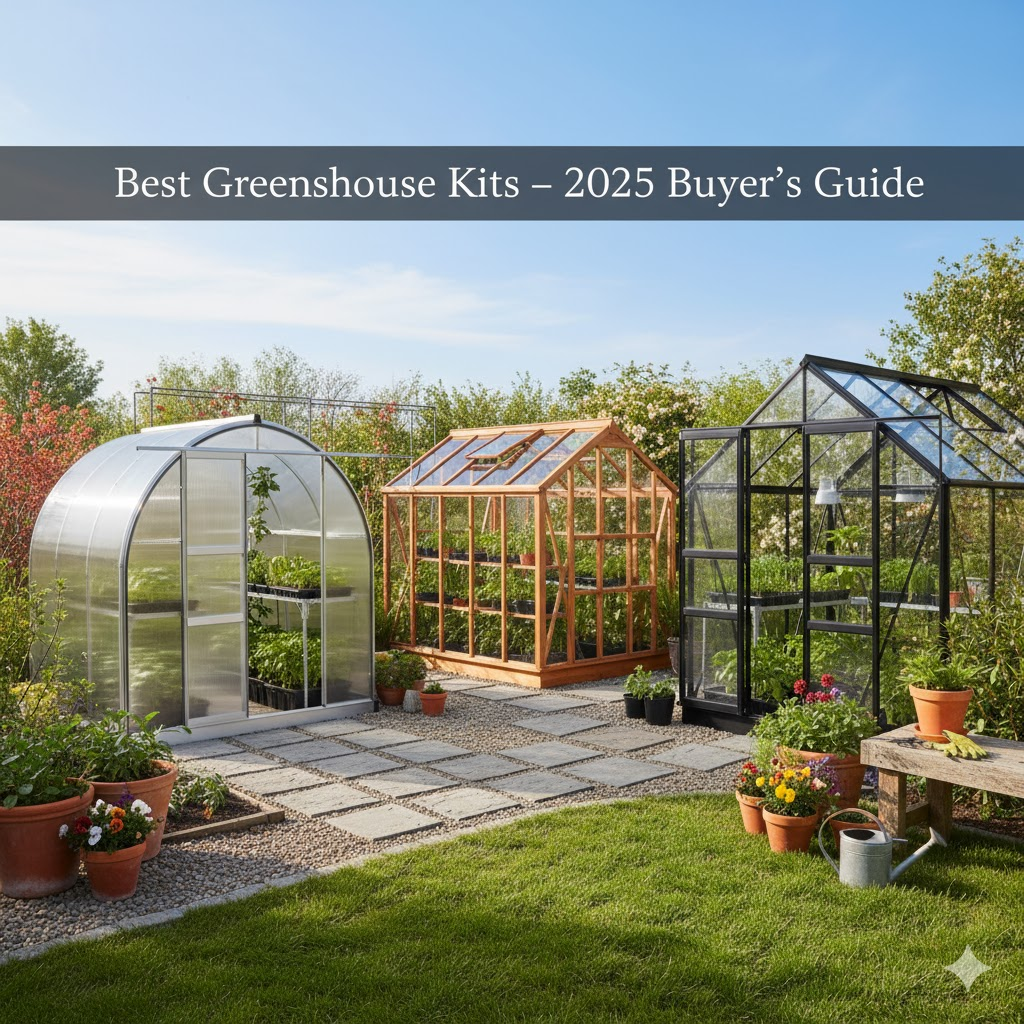
Top Picks by Category
Best Overall
Grandio Summit (10 mm twin-wall polycarbonate, heavy-duty frame, roof vents, gutters). It’s a feature-rich, four-season workhorse that’s easy to live with and tough in bad weather—great airflow, thick glazing, and solid hardware make it a long-term investment for most climates. Why it helps: 10 mm glazing softens harsh midday sun and holds nighttime heat better than 4–6 mm panels, while the lifetime frame/10-year panel warranty adds peace of mind. Some dealers list wind ratings to ~76 mph and snow to ~25 psf for Summit configurations; always verify for your size and anchoring.
Best Budget
Palram Canopia Hybrid (twin-wall roof + clear side panels on aluminum frame). You get smart light diffusion up top, high transmission on the sides, a lockable door, a vent, and integrated gutters—at an entry-level price. Rated to ~56 mph wind and ~15 psf roof load (size-dependent).
Best for Beginners
EZ-Fit Greenhouse (panelized wood-framed kit with polycarbonate roof and operable windows). Ships in large, pre-assembled panels that go together with basic tools—a gentle learning curve without skimping on strength. Why it helps: panelized walls remove dozens of tiny steps so you can focus on squaring the base and getting plants in sooner.
Best Small/Compact (Balcony/Patio)
ShelterLogic GrowIT 4-Tier Mini Grow House. A sturdy, space-saving frame with a clear PVC cover that holds humidity for seedlings; shelves are removable if you need height for a few taller starts.
Best Walk-In (8×10 and up)
Palram Canopia Glory (10 mm twin-wall polycarbonate, extra-thick aluminum frame, auto-openers available, closed gutter system). A refined, walk-in kit built for real seasons—hail-resistant panels, ~62 mph wind and ~20 psf load ratings. Why it helps: 10 mm, diffuse panels keep temps steadier so seedlings don’t scorch on clear days.
Best Lean-To / Attached
Juliana Lean-To (aluminum + toughened glass options) or Palram Canopia Sun Room/Lean-To. Lean-tos save yard space and share warmth with your house; these systems offer durable frames and high light for herbs and starts right off the wall. (Always check permits for attached structures.) A typical lean-to spec shows ~47 mph wind and ~15 psf snow for compact models—good for sheltered walls.
Best Heavy Snow/Wind Areas
Planta Sungrow / Sigma Series (galvanized-steel arches + double-wall polycarbonate). Engineered for serious weather: up to ~98 psf (often described as “6 ft of snow” light snow) and ~65 mph wind when anchored correctly. If you live where winters bite, this is peace of mind.
Best Wood/Cedar Aesthetic
Outdoor Living Today 8×8 Cedar Greenhouse (sustainably sourced Western Red Cedar + twin-wall polycarbonate, auto-vent option, L-bench). Beautiful, durable, and low-maintenance with thoughtful climate details. Cedarshed Sunhouse is another handsome, pre-cut cedar option with workbenches included.
Best Polycarbonate
Riverstone Monticello (8 mm twin-wall polycarbonate, thick aluminum frame, double doors, roof vents; expandable in 4-ft sections). Built like a tank for year-round growing and straightforward to accessorize; many dealers note ~24 psf snow and ~65 mph wind with a 10-year limited warranty.
Best Glass
Janssens Royal Victorian (toughened safety glass, classic profiles, premium hardware). If you want crystal-clear views and heirloom looks with modern strength, this is the glasshouse benchmark.
Best Portable/Pop-Up
Porayhut Pop-Up Greenhouse Tent (double-layer PE mesh with stakes/ropes and carry bag). A light, quick shelter for shoulder seasons or temporary protection you can set up in minutes.
Best Raised-Bed/Mini
Quictent Galvanized Raised Bed with Dual Covers (clear PVC + green PE, each with vents). A tidy all-in-one for patios: plant, protect, and swap covers as the weather swings.
Best High-End/Luxury
Janssens Cathedral / Orangerie & Hoklartherm (Exaco) lines. Architectural showpieces with premium materials and fittings for those turning a garden into a destination.
Best Expandable/Modular
Planta (length extensions beyond 100 ft possible) and Monticello (bolt-on extensions). Ideal if you plan to grow your greenhouse as your plant list—and confidence—expands.
How to Choose the Right Greenhouse Kit (Buying Guide)
(Voice search quick-start: “What size greenhouse should I buy if I’m a beginner?” Keep reading step-by-step.)
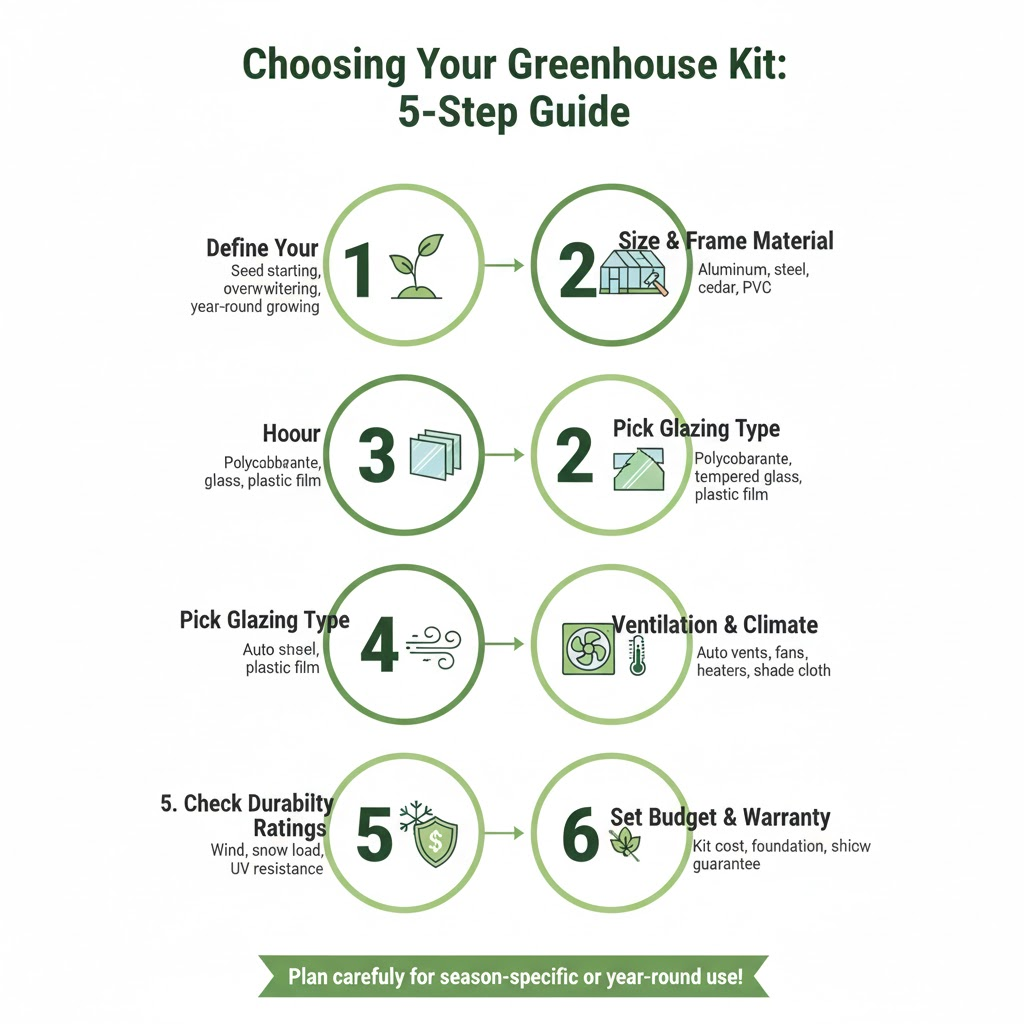
Define Your Goals (Seed Starting, Overwintering, Year-Round, Specialty Crops)
Be honest about what you’ll actually do there. Seed-starting needs shelves, humidity, and light access; overwintering asks for steady temps and good air exchange; true year-round growing pushes you toward thicker glazing and real climate control.
Size & Growing Capacity (Footprint, Headroom, Door Clearance)
Sketch your layout: benches along the sides, a central path wide enough for a cart or wheelchair, and door heights that fit you and your gear. Walk-in kits (8×10+) offer breathing room; smaller footprints excel for starts and herbs.
Frame Materials (Aluminum, Galvanized Steel, Wood/Cedar)
Plain-English: aluminum is light and rust-proof; steel is strongest per dollar in hoop/arch shapes; cedar looks warm and resists rot naturally with occasional care. Aluminum is light, rust-proof, and common in hobby kits. Galvanized steel shines in arch/hoop styles built for snow and wind. Cedar looks stunning and resists rot naturally; it needs the usual exterior care but rewards you with warmth and scent.
What’s Included in Most Greenhouse Kits
Most kits arrive with the frame, glazing panels, doors, vents (quantity varies), fasteners, base rails or a base kit, and gutters on some models. Anchors may be included or optional—check the parts list so you can plan foundations and tools ahead of delivery.
Glazing/Covering Options (Polycarbonate vs Glass vs Polyethylene Film)
Quick definition: polycarbonate is a tough, insulating plastic; glass is crystal-clear and classic; PE film is budget-friendly for season extension. Multi-wall polycarbonate gives impact resistance and insulation; glass offers clarity and heritage looks; PE film (single or double) is affordable and great for season extension but has a shorter lifespan.
Light Transmission vs Insulation (R-Value & U-Factor Basics)
Simple rule: higher R-value = warmer; lower U-factor = less heat loss. Typical published ranges: ~0.8 (4 mm), ~1.5 (6 mm), ~1.8 (8 mm), ~1.9 for 10 mm twin-wall, up to ~2.5+ for 16 mm designs—handy if you’re heating through winter.
Ventilation & Airflow (Roof/Ridge Vents, Louvers, Auto-Vents)
Good airflow prevents heat spikes and disease. Look for ridge/roof vents (ideally with wax-charged auto-openers), side louvers, and a through-breeze path. Fans help when still air lingers or when humidity builds.
Climate Control (Heating, Cooling, Shading, Thermal Screens)
In cold snaps, electric/propane heaters plus circulation fans keep temps even; in heat waves, shade cloth and evaporative cooling tame the sun. Simple controllers and thermostats make it set-and-forget.
Durability & Ratings (Snow Load, Wind Resistance, UV Protection)
If you see heavy snow or gusty winters, prioritize stated snow/wind ratings and anchoring. Examples: Planta cites up to ~65 mph wind and “6 ft of snow/light snow” (~75–98 psf, model-dependent); Palram Glory lists ~62 mph and ~20 psf. UV-stabilized panels resist yellowing and brittleness.
Foundation & Anchoring (Slab, Perimeter, Ground Stakes)
A level, well-drained base matters. Some kits include or accept base rails; others bolt to concrete, pavers, or treated perimeter beams. Follow the brand’s anchoring method for wind and warranty compliance.
Siting & Orientation (Sun Exposure, Shade, Drainage)
Choose a sunny, well-drained spot with wind protection and room around the perimeter for maintenance. Extension guidance often favors east–west ridges for winter light and easy snow shedding, but local shade and wind patterns rule. (Check your USDA zone to set realistic heating/cooling expectations.)
Assembly & Installation (Tools, Skill Level, Time)
Panelized kits (EZ-Fit, many cedar kits) reduce the number of steps; aluminum frame kits are like big Meccano sets—measure twice, keep the base square, and invite a friend on glazing day.
Expandability & Add-Ons (Extensions, Part Availability)
If you want more space later, choose platforms with readily available extensions (e.g., Monticello, Planta), plus accessories like auto-vents, benches, and gutters.
Budget & Total Cost of Ownership (Energy, Accessories, Maintenance)
Factor in heaters/fans, shade cloth, shelves, sensors, and winter fuel—not just the box price. Better insulation (thicker polycarbonate) can pay for itself in energy savings.
Warranty, Parts, and Support
Check panel and frame warranties and where you’ll source parts as years pass. Brands like Grandio publish warranty details openly; Palram, Janssens, and others list limits and conditions—worth a five-minute read before you buy.
Also searched for: best greenhouse kits for snow, best 8×10 greenhouse kit, cedar greenhouse kit, polycarbonate vs glass greenhouse, lean-to greenhouse permit tips.
Greenhouse Types & Shapes
(Voice search quick-start: “Which greenhouse type is best for windy areas?”)
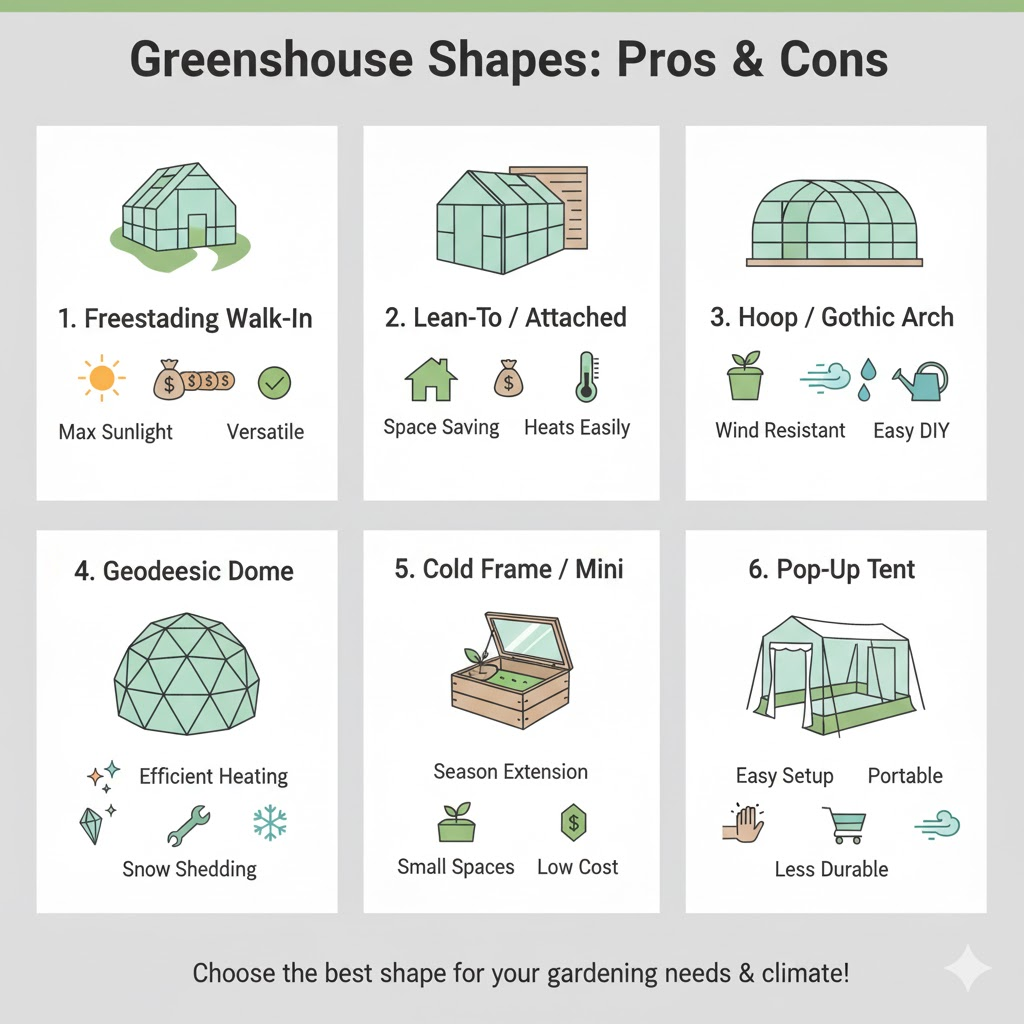
Freestanding Walk-In
Classic rectangle A-frames with full standing height and door clearance—great for benches and center aisles; easy to expand in some systems.
Lean-To / Attached
Mounted against a wall to save space and “borrow” heat from the house; be mindful of permits, flashing, and moisture management.
Hoop / Gothic Arch
Curved, galvanized-steel frames excel in wind/snow when anchored; economical for large footprints and season extension.
Geodesic Dome
Strong, even light distribution and striking looks; popular for four-season growing with multi-wall glazing. (Check HOA rules if you’re in a covenant community.)
Cold Frames & Window/Countertop Mini Greenhouses
Low, insulated boxes and shelf units that capture daytime heat—perfect for hardening off or protecting herbs through chilly nights.
Portable / Pop-Up Tents
Quick shelter for a bed or two; expect lower wind/snow tolerance but speedy setup, seasonal flexibility, and a low price tag.
Must-Have Accessories & Upgrades
(Voice search quick-start: “What accessories do I actually need on day one?”)
Shelving & Benches
Sturdy benches keep trays organized and airflow moving beneath plants; cedar and composite tops resist moisture and wipe clean.
Irrigation & Misting (Drip, Hydroponics Options)
Drip saves time and water, misters boost humidity for starts, and simple timers make consistency effortless. Many walk-ins have guttering you can feed into rain barrels.
Shade Cloth & Insect Screens
Shade cloth (often 30–50%) prevents scorch; insect screens on vents reduce pest pressure without chemicals.
Environmental Monitors & Controllers (Thermostats, Hygrometers, Timers)
A basic thermometer/hygrometer pays for itself in healthier plants; add thermostats and vent openers to smooth out daily swings.
Rain Gutters & Water Collection
Look for built-in gutters (e.g., Glory, Hybrid, Summit) to harvest rain and keep splashback down around the base.
Security & Locking Doors
Lockable doors deter critters and protect tools and heaters—most aluminum kits include locks or catches out of the box.
Advanced Automation & Integrations
For power users: PID thermostats, data loggers, Wi-Fi switches, CO₂ monitoring, evaporative cooling pads, thermal screens, and even smart-home tie-ins for alerts when temps drift.
Placement, Permits & Safety
Local Codes, HOA Rules & Permits
Rules vary by city and HOA: freestanding “accessory” greenhouses may be exempt at small sizes, but attached lean-tos are often treated like home additions and require permits. Always ask your building department first—and your HOA if applicable.
Site Preparation & Drainage
A level, well-drained pad prevents racking and keeps puddles out. Many cedar and aluminum kits outline base/foundation options; follow the manual for anchoring in your soil type.
Accessibility (Paths, Thresholds, Door Width)
Plan smooth, non-slip paths; low thresholds; and doors wide enough for carts or wheelchairs so time inside feels easy and enjoyable.
Electrical & Fire Safety
In damp locations, use GFCI-protected circuits and weather-rated equipment; avoid extension cords as “permanent” wiring; keep heaters clear and maintained. When in doubt, consult a licensed electrician.
Maintenance & Care
Seasonal Cleaning & Panel Care
Clean glazing with mild soap and soft cloths; keeping panels clear boosts light and reduces disease pressure. Avoid harsh solvents on polycarbonate.
Replacing Panels, Seals & Hardware
Over years, gaskets flatten and fasteners loosen—periodic checks prevent drips and heat loss. Most brands sell replacement panels and weather-stripping by model.
Pest & Disease Management Inside the Greenhouse
An IPM mindset—sanitize, scout, identify, and then treat with the gentlest effective method—keeps issues small and your space pleasant to work in.
Winterizing & Storm Prep
Ahead of big storms, secure loose items, close/lock vents and doors, remove shade cloth if advised, and manage snow load with safe removal tools. After, inspect frames and fasteners before restarting systems.
Common Assembly/Use Issues & Fixes
- Doors rubbing? Re-square the base; loosen and retighten hinge hardware in order.
- Condensation drip? Add anti-drip film or a ridge drip rail; increase gentle night airflow.
- Panels rattling in wind? Confirm correct fasteners and add approved panel clips/foam where specified.
- Auto-vents not opening? Check the wax cylinder temperature range and verify free movement; replace weak cylinders seasonally as needed.
- Leaks at the ridge? Inspect cap profiles and gaskets; reseat and tighten to spec without over-torquing.
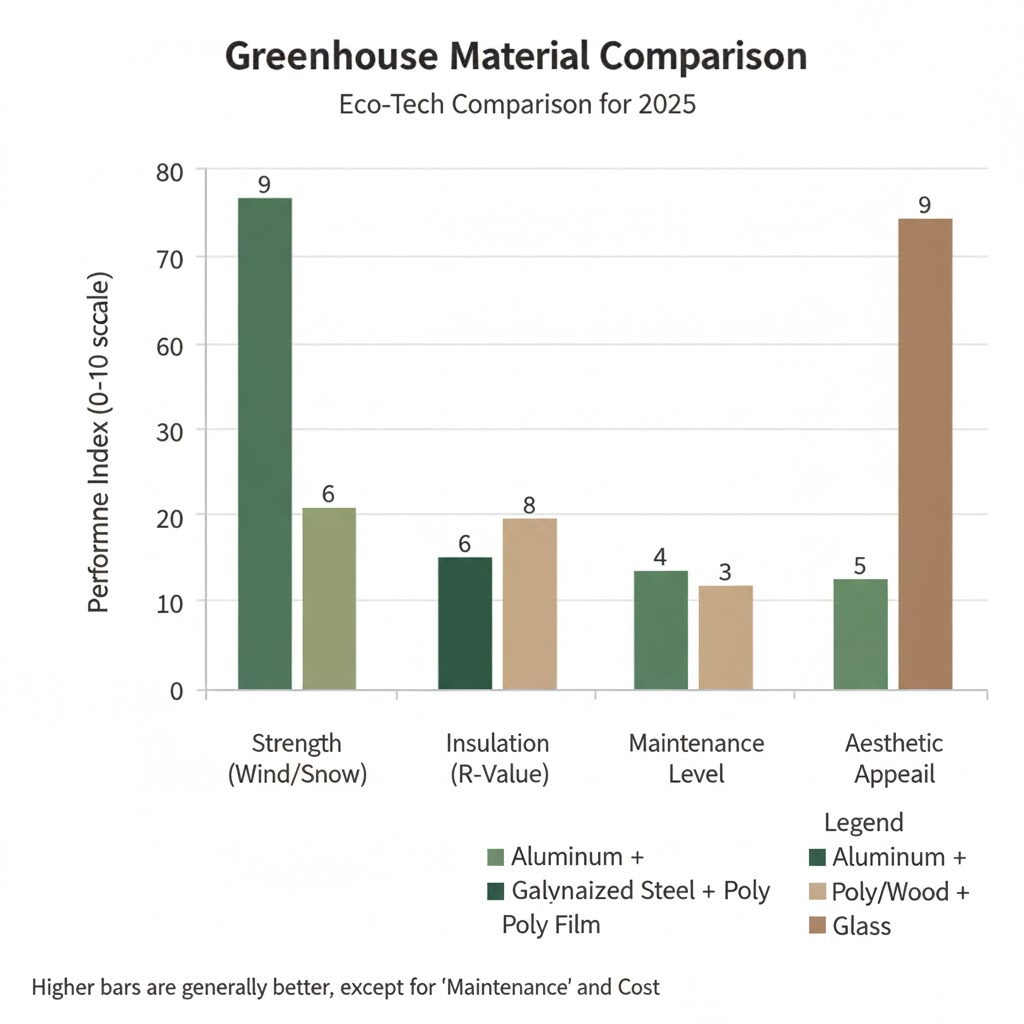
Comparison Table: Materials & Types (At-a-Glance)
Aluminum + Polycarbonate: light, rust-proof, good insulation (multi-wall), low upkeep.
Galvanized-Steel Hoop + Poly Film/Polycarbonate: strongest vs. wind/snow per dollar, scalable, utilitarian look.
Cedar/Wood + Glass/Polycarbonate: warm aesthetic, excellent light, more carpentry feel and periodic care.
Methodology: How We Picked and Categorized the Best Greenhouse Kits
We compared frame/glazing materials, stated snow/wind ratings, ventilation, expandability, warranties, and accessory ecosystems. We verified claims on manufacturer and dealer pages (e.g., Planta’s 6-ft snow/65 mph guidance, Palram Glory’s 10 mm panels and ~62 mph/~20 psf ratings, Monticello’s heavy-duty build/expansion, Grandio Summit’s feature set and warranties) and weighed extension guidance on siting, insulation, and climate control to match kits to real-world needs.
Owner Notes (short, real-world feel)
“Sungrow shrugged off our prairie winds once we anchored it to a treated perimeter.”—one small action at a time.
“Our Monticello handled back-to-back storms; auto-vents reopened as soon as temps rose.”
“The Hybrid’s diffused roof really helped seedlings—no more midday scorch.”
Frequent Ask Questions

James Parker
James Parker is an environmental expert, writer, and the founder of Envirose.com. Over the years, he has dedicated his work to studying sustainable practices, renewable energy solutions, and eco-conscious lifestyles. Through Envirose, he aims to inspire individuals to make small yet powerful changes in their daily lives that can collectively create a positive impact on the planet. When he’s not writing or researching, you’ll often find him outdoors, exploring nature and finding new ways to live in harmony with it.