Home » Dry Mixed Recycling: A Simple Solution for Waste Management Challenges
Dry Mixed Recycling: A Simple Solution for Waste Management Challenges
Written by Admin | June 22, 2025
Introduction
Are you struggling with the mounting pressure of waste management in your business? With more and more companies facing the challenge of managing increasing volumes of waste, the environmental impact of improper disposal is becoming a serious concern. If you’re looking for a way to reduce waste, save costs, and improve your company’s sustainability practices, then you’re not alone in this struggle.
But here’s the solution: Dry Mixed Recycling (DMR) is a game-changing method that not only helps businesses reduce their waste footprint but also benefits the planet and your bottom line. By embracing DMR, you can streamline your waste management, reduce landfill costs, and improve your reputation as a sustainable business. This guide will take you through everything you need to know about DMR, from the basics to the key benefits, and help you make a significant, positive impact.
What is Dry Mixed Recycling?
Dry mixed recycling, also known as ‘DMR,’ is any recyclable materials that need to be disposed of; this could include old milk bottles, takeaway containers, or cardboard boxes.
Dry mixed recycling represents a significant shift in waste management practices, offering businesses a more sustainable alternative to traditional disposal methods.
What is Dry Mixed Recycling (DMR)?
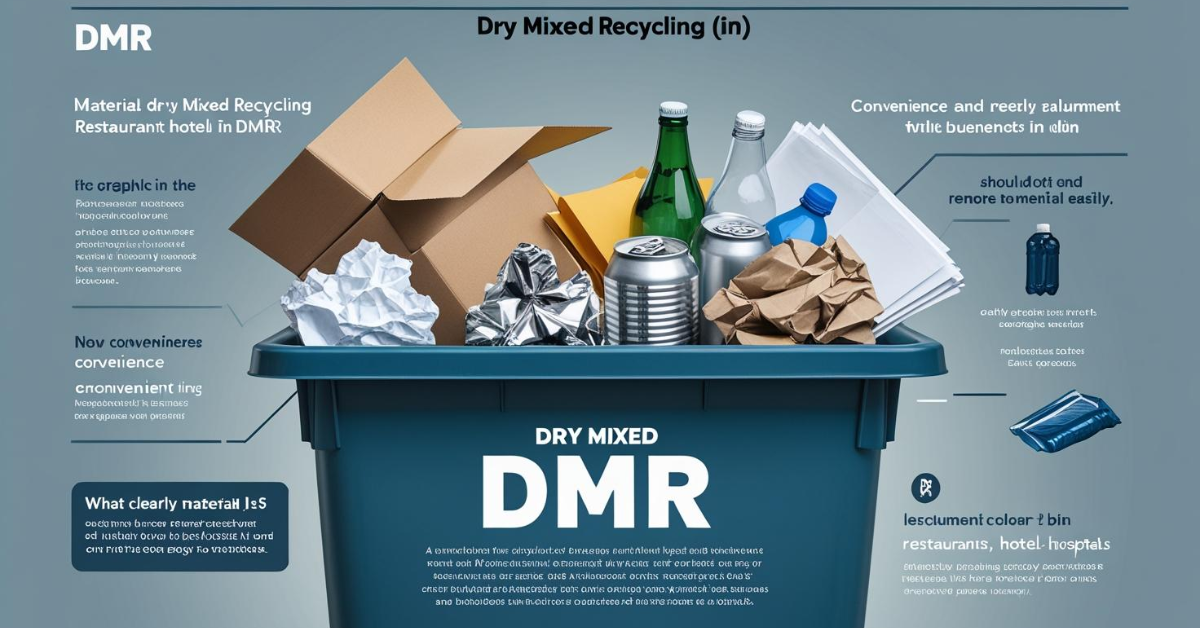
Dry mixed recycling is the recycling of dry waste that is free of contaminants such as garden waste, oils, foods, liquids, etc. This includes everything from cardboard and paper to plastic and metal. DMR saves you the hassle of sorting the waste according to its type. Thus, it’s a perfect alternative for general waste disposal.
Mixed dry recycling is vital for establishments that produce a large quantity of waste, such as restaurants, hotels, and hospitals. This post highlights the benefits of dry-mixed recycling. Critical information about what should and should not go in dry mixed recycling is also mentioned here.
Examples of Dry Mixed Recycling for Businesses
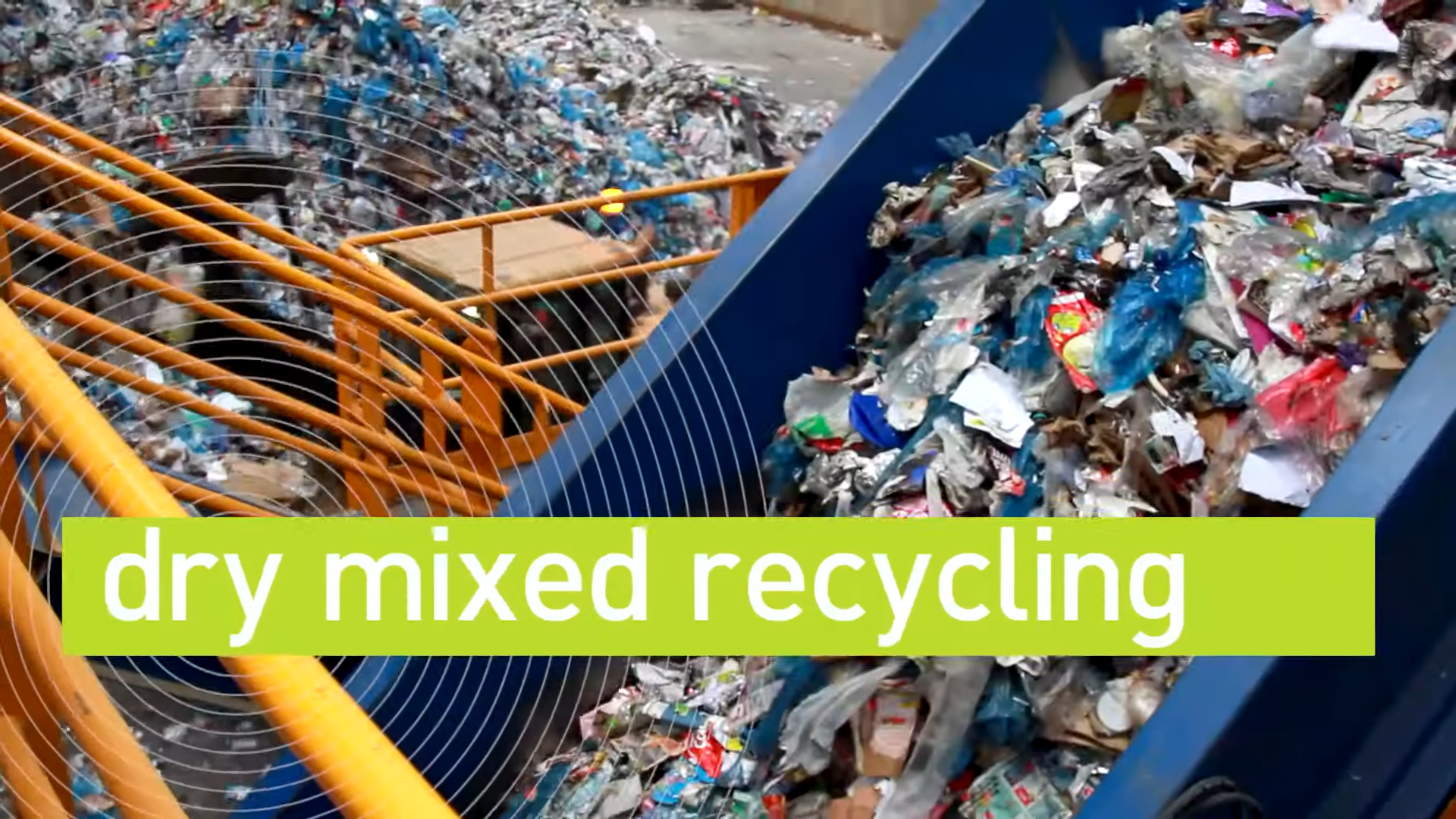
Increasing awareness about sustainability prompts businesses and individuals to recycle everyday items such as paper, cardboard, plastics, metals, glass, textiles, electronics, batteries, and ink cartridges.
Here are some common examples of dry mixed recycling items businesses tend to produce:
Paper
- Office paper
- Newspaper
- Magazines
- Junk mail
- Cardboard boxes
Cardboard
- Shipping boxes
- Cereal boxes
- Cardboard packaging
Plastics
- Plastic bottles (PET and HDPE)
- Plastic containers (such as yogurt and margarine containers)
- Plastic bags (check local recycling guidelines)
- Plastic packaging
Metals
- Aluminum cans
- Steel cans (soup cans, canned vegetables)
- Tin cans and aerosols
- Aluminum foil and trays
Glass
- Glass bottles (clear, brown, green)
- Glass jars (jams, sauces)
- Beverage containers
E-Waste
- Computers
- Cell phones
- Printers
- Televisions
Does Dry Mixed Recycling Have to Be Clean?
Yes, your dry mixed recycling does have to be clean and dry.
It’s essential to make sure that materials are not tainted with food or other substances, as this can cause contamination and make the recycling process less effective.
Waste collectors may refuse to take away contaminated dry mixed recycling.

What Happens to Dry Mixed Recycling?
The Dry Mixed Recycling Collection Process
- 1. Collection
The business will produce a wide range of recyclable materials, including paper, cardboard, plastic containers, glass bottles, and metal cans.
These materials are typically collected together in a single recycling bin or container, simplifying the waste disposal process for businesses.
A waste collector will then collect the waste from the bin and take it away. - 2. Processing
Once collected, the recyclable items are transported to specialized facilities equipped with advanced sorting technology.
These Material Recovery Facilities (MRFs) use a combination of manual sorting and automated machinery to separate different types of materials efficiently. - 3. Sorting & Segregation
At the Material Recovery Facilities (MRFs), the dry mixed recycling undergoes a meticulous sorting process.
Conveyor belts, optical sensors, and magnets are employed to separate paper, cardboard, plastics, metals, and other materials into distinct streams.
This segregation ensures that each material can be processed and recycled effectively. - 4. Resource Recovery
After sorting, the recyclable materials are baled or compacted for transportation to recycling facilities.
Here, they undergo further processing, such as shredding, melting, or pulping, to transform them into raw materials for manufacturing new products. - 5. Transformation
The recyclables are transformed into raw materials that can be used in the manufacturing of new products.
For instance, recycled paper and cardboard can be turned into new paper products, while recycled plastics can be transformed into a variety of items such as bottles, containers, and packaging.
By closing the loop through recycling, businesses contribute to the circular economy, reducing the need for virgin materials and conserving valuable resources

What are the Benefits of Businesses Recycling?
Cost Savings
An often overlooked benefit of dry mixed recycling is that it can increase your business’s profitability by reducing waste management costs. This is because there are disposal costs that come with general waste, such as incineration, which is set to increase in 2025.
By diverting recyclable materials into dry mixed recycling, your business reduces the volume of general waste being produced. This will result in financial savings while also aligning with sustainability goals. Also, demonstrating dedication to sustainability can enhance your company’s reputation and increase customer loyalty.
Reputation & Public Relations
Consumers are increasingly mindful of environmental issues and expect businesses to demonstrate their commitment to sustainability.
By prioritizing recycling processes and other eco-friendly initiatives, companies can enhance their brand reputation, attract environmentally conscious customers, and differentiate themselves in the market.
Employee Engagement
Engaging employees in dry mixed recycling initiatives creates a culture of environmental responsibility within the workplace.
Providing education, training, and incentives all encourage staff participation and empower them to contribute to the company’s sustainability goals.
Socio-Economic & Environmental Responsibility
By diverting recyclable materials from landfills and promoting resource conservation, businesses play a vital role in mitigating the environmental impacts of waste disposal.
By prioritizing environmental responsibility, businesses can align their operations with broader sustainability goals and contribute to a healthier, more resilient environment.
How to Manage Dry Mixed Recycling in Your Business
Implement a Recycling Programmed
Making an effective recycling program for your business is very important.
Start by raising awareness among employees about the importance of recycling and the significance of their role in the process.
Provide clear guidelines on what materials are recyclable and how they should be sorted.
Use prominently labeled bins or containers designated for different types of recyclables, making it easy for employees to segregate their waste.
Consider implementing incentives or recognition programs to motivate participation and reward sustainable behaviors.
Top Tip: Colour code your bins so your employees don’t get confused! For example, make your general waste bin black and your recycling bin green.
Work with a Waste Management Provider
Selecting the right waste management partner is essential for seamless dry mixed recycling collection and processing.
Choose a reputable provider with expertise in recycling handling and a track record of environmental compliance.
Work closely with the waste management company to tailor their services to suit your business’s specific requirements.
This may include arranging regular pickups of recyclables, ensuring timely processing at specialized facilities, and maintaining transparent communication channels for feedback and inquiries.
Conduct Regular Audits & Reviews
Periodic waste audits are incredibly valuable for evaluating the effectiveness of your recycling program and identifying areas for improvement.
Schedule regular audits to assess the quantity and composition of DMR generated by your business.
Analyse the data collected to pinpoint any inefficiencies or opportunities for optimization.
Use the insights gained from these audits to fine-tune your recycling processes and enhance overall performance.
Recycling Waste Laws and Regulations in the UK
Duty of Care
The Duty of Care, established under the Environmental Protection Act 1990, imposes a legal obligation on businesses operating in the UK to manage their waste responsibly.
This duty encompasses the entire waste management process, from its generation to its final disposal.
Businesses are required to take all necessary measures to ensure that their waste is handled, transported, and disposed of in a manner that prevents harm to human health and the environment.
Waste Hierarchy
The Waste Hierarchy, established by the Waste Regulations 2011, provides a framework for prioritizing waste management practices based on their environmental impact.
At the top of the hierarchy is waste prevention, which emphasizes the importance of reducing waste generation at the source.
By adhering to the waste hierarchy, businesses are encouraged to prioritize sustainable waste management practices that minimize environmental impact and conserve resources.

Producer Responsibility Obligations
The Producer Responsibility Obligations, as outlined in the Packaging Waste Regulations 2007, place specific responsibilities on businesses involved in the handling of packaging materials.
Producers, importers, and sellers of packaging are required to take responsibility for the recovery and recycling of specified amounts of packaging waste.
Landfill Tax Regulations
The Landfill Tax Regulations 1996 impose a tax on the disposal of waste at landfill sites, with the aim of discouraging landfill use and promoting alternative waste management methods.
Businesses must be aware of the applicable tax rates and exemptions when disposing of waste in landfills and consider more sustainable disposal options to mitigate tax liabilities.
Hazardous Waste Regulations
The Hazardous Waste Regulations 2005 govern the identification, handling, and disposal of hazardous waste.
Businesses that generate, store, or transport hazardous waste must adhere to strict regulatory requirements.
Extended Producer Responsibility (EPR) Schemes
EPR schemes place responsibility on producers of certain products and packaging to finance and manage their end-of-life disposal and recycling.
Single-Use Plastic (SUP) Regulations
Introduced as part of the EU’s Single-Use Plastics Directive, the SUP Regulations aim to reduce the consumption of single-use plastics and promote the use of more sustainable alternatives.
Waste Electrical and Electronic Equipment (WEEE) Regulations
The WEEE Regulations govern the collection, treatment, recycling, and disposal of electrical and electronic equipment waste.
Businesses that produce, sell, or dispose of WEEE must comply with registration, reporting, and recycling targets.
H2: Dry Mixed Recycling Facts
- Recycling rates in the UK reached 45.5% in 2019, with an increasing emphasis on commercial and industrial recycling efforts.
- The UK generates over 200 million tonnes of waste annually, highlighting the urgency for sustainable waste management practices.
- Businesses in the UK could save up to £3 billion every year by adopting more efficient waste management strategies, including dry mixed recycling programs.
- 80% of the waste in landfills could have been recycled.
- Around 70% of office waste that ends up in landfills consists of paper products that could have been recycled.
- Employees of small to medium-sized businesses (SMEs) say that having a structured recycling program boosts company culture.
- Only 12% of the waste generated in the UK comes from households.
- It takes 40% less energy to create recycled paper from paper pulp than it does from virgin materials.
Waste Directory – Dry Mixed Recycling
Here is a comprehensive list of materials that can be recycled through dry-mixed recycling:
- Aerosols
- Asbestos
- Batteries
- Beverage cartons
- Books
- Car batteries
- Chemical drums
- Clean, broken lab glass
- Clinical waste
- Confidential waste
- Cooking oil
- Corrugated cardboard
- Dry mixed recycling
- Electrical
- Flat glass
- Foil
- Food tins & drinks cans
- Food waste – residential
- Furniture
- Garden waste
- General waste
- Glass (domestic)
- Hazardous
- Lab glass
- Lamps
- Large plastics
- Mineral oil
- Paint
- Paper & card
- Plasterboard
- Plastic bags
- Plastic bottles
- Polystyrene
- Printer cartridges
- Reagent bottles
- Scrap metal
- Textiles
- Tires
- Wood and timber
FAQs
Conclusion
By prioritizing dry mixed recycling (DMR) practices, businesses demonstrate a proactive commitment to environmental responsibility while concurrently meeting their legal obligations.
Through effective waste management strategies, businesses can reduce waste disposal costs and even generate revenue from the sale of recyclable materials.

By embracing DMR, businesses can align their operations with sustainability objectives, create a positive brand reputation, and actively contribute to building a more resilient and eco-conscious society for future generations.

James Parker
James Parker is an environmental expert, writer, and the founder of Envirose.com. Over the years, he has dedicated his work to studying sustainable practices, renewable energy solutions, and eco-conscious lifestyles. Through Envirose, he aims to inspire individuals to make small yet powerful changes in their daily lives that can collectively create a positive impact on the planet. When he’s not writing or researching, you’ll often find him outdoors, exploring nature and finding new ways to live in harmony with it.