Home » Top Florida Palm Trees and Their Types: A Complete Guide
Top Florida Palm Trees and Their Types: A Complete Guide
Written by Admin | June 22, 2025
Introduction
Are you tired of feeling overwhelmed by the sheer number of palm tree options for your Florida landscape? With so many choices available, it’s easy to get lost in the variety, unsure which one is the best fit for your yard, garden, or property. The struggle is real — selecting the right palm tree can seem daunting, especially when you want a tree that’s both beautiful and easy to maintain.
But don’t worry, here’s the solution! This comprehensive guide is here to make your palm tree decision a breeze. We’ll break down the best Florida palm trees, explain their ideal growing conditions, and help you choose the perfect tree that fits your landscape perfectly. From sun-loving giants to petite beauties for small gardens, you’ll find the perfect match right here. Get ready to transform your landscape with the stunning palm trees Florida is known for!
In this blog, we’ll explore some of the best palm trees for Florida’s unique conditions, helping you make the right choice for your landscape, whether you are looking for something that provides shade, adds texture, or becomes the centerpiece of your outdoor design.
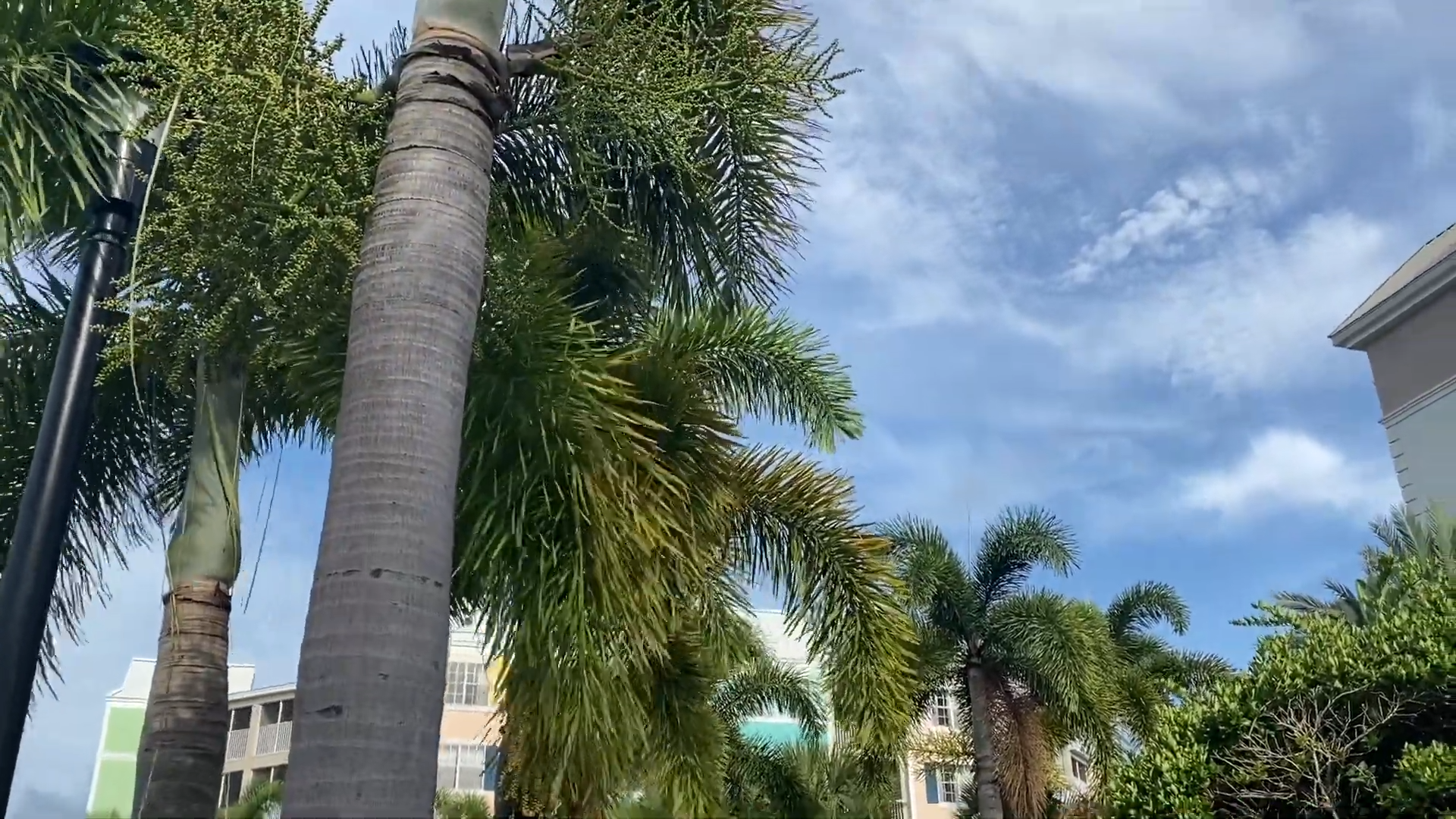
Why Palm Trees?
Before diving into the specifics of individual palm trees, let’s discuss why palms are such a great choice for your Florida landscape.
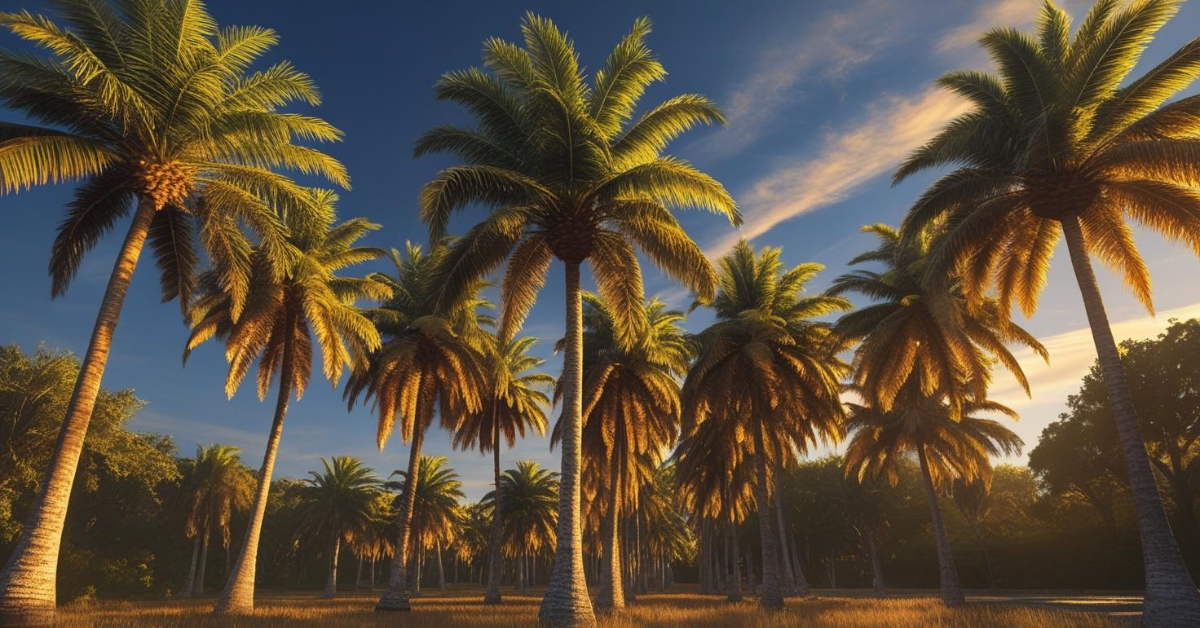
Palm trees instantly evoke images of tropical paradises, making them synonymous with Florida’s natural beauty. Whether you are enjoying a sunset on the beach, walking through a botanical garden, or lounging by a pool, palm trees play a major role in Florida’s aesthetic appeal. Their iconic look and graceful fronds contribute significantly to the ambiance of any landscape.
Florida’s tropical climate is what makes palms such an excellent choice. The heat and humidity that many other trees struggle with are ideal conditions for palms. With proper care, most species can thrive in full sun, and many are salt-tolerant, which makes them perfect for coastal homes or properties near the water. Palms also require minimal maintenance, making them a low-effort choice for homeowners.
Beyond their appearance, palm trees are incredibly functional. Not only do they make a statement with their towering presence or intricate fronds, but they also provide much-needed shade during the hot Florida summers. Whether you want to provide shade for your patio or make your garden more inviting, palm trees are a great option.
Palms come in all shapes and sizes. From the towering royal palm to the more compact varieties like the Christmas palm, there is something for every landscape.
The Top Five Palm Trees for Your Florida Landscape
With so many palm varieties, choosing the best fit for your landscape can be a challenge. Here are five of the top palms that are well-suited for Florida’s conditions:
Coconut Palm: The Full Sun Palm Tree
- Botanical Name: Cocos Nucifera
- Plant Type: Perennial
- Sun Requirements: Full sun
- Height: 50-98 ft
- Hardiness Zones: 10-11
The coconut palm is the quintessential Florida palm. It’s the tree most people think of when they picture a tropical beach or coastal neighborhood. This palm grows up to 98 feet tall and is characterized by its wispy, long fronds. The coconut palm is drought-tolerant, salt-tolerant, and thrives in full sun, making it perfect for Florida’s beaches and coastal properties.
It’s also quite resilient in windy conditions, making it ideal for hurricane-prone areas. Not only does it add to the tropical ambiance, but it also produces coconuts, which are one of the most widely used products worldwide. These trees will start fruiting after 6-10 years and will continue to bear fruit for up to 80 years.
Red Sealing Wax Palm: The Shady Palm
- Botanical Name: Cyrtostachys renda
- Plant Type: Perennial
- Sun Requirements: Partial to full sun
- Height: 15-52 ft
- Hardiness Zones: 10-11
Known for its stunning red crown shaft, the Red Sealing Wax Palm, or “Lipstick Palm,” is a beauty. Native to Thailand, this palm thrives in Florida’s tropical climate. What sets this palm apart is its ability to thrive in both sun and partial shade. If you have a shady spot in your garden, this palm might be the perfect choice.
While it’s a relatively slow grower, it can reach heights of 52 feet with proper care. Its bright red crown adds a pop of color, making it an excellent ornamental tree for any landscape.
Buccaneer Palm: The Poolside Palm Tree
- Botanical Name: Pseudophoenix sargentii
- Plant Type: Perennial
- Sun Requirements: Full sun
- Height: 10-25 ft
- Hardiness Zones: 10-11
Looking for a palm to complement your poolside oasis? The Buccaneer Palm is a great option. This palm is hardy and slow-growing, so it’s perfect for smaller spaces like around a pool. It does well in full sun and is drought-tolerant, making it an excellent low-maintenance option.
The Buccaneer Palm has long, graceful fronds that provide some shade, while the smooth, swollen trunk offers an appealing visual. It can grow to around 15 feet tall, but because it’s a slow grower, it won’t take over your space too quickly.
European Fan Palm: The Tiny Palm
- Botanical Name: Chamaerops humilis
- Plant Type: Perennial
- Sun Requirements: Full sun
- Height: 5-10 ft
- Hardiness Zones: 8-11
For a compact yet striking palm, look no further than the European Fan Palm. This palm is small, with fan-shaped leaves that grow in a unique circular pattern. It’s hardy and can tolerate cooler temperatures, making it ideal for Florida’s occasional cold snap.
This palm tree is perfect for smaller gardens or as an accent piece in a larger landscape. Its compact size means it won’t take over your space, and its fronds provide a significant amount of shade for its size. It’s also an excellent choice for anyone looking for a low-maintenance palm tree that can handle varying temperatures and conditions.
The Lady Palm Tree: The Versatile Palm
- Botanical Name: Rhapis excelsa
- Plant Type: Perennial
- Sun Requirements: Full sun to partial shade
- Height: 6-10 ft
- Hardiness Zones: 9-11
The Lady Palm is incredibly versatile, making it one of the best palms for Florida’s diverse climates. This palm can thrive in both full sunlight and shaded areas, which is rare among palm species. Its elegant, arching fronds and slow growth rate make it ideal for both indoor and outdoor spaces.
Lady Palms grow slowly and don’t require much attention, making them an excellent choice for people with busy lifestyles. They adapt to a variety of soils and can even withstand dry spells once established.
How Landcrafters Can Help You Choose the Perfect Palm Tree
At Landcrafters, we understand the challenges of choosing the right palm tree for your landscape. With over 25 years of experience in landscaping, our experts can help you make the best decision based on your specific needs, whether you’re looking for a palm that will thrive in full sun, partial shade, or coastal conditions. We have the expertise to guide you through the selection process and ensure your palm trees flourish for years to come.
The Do’s and Don’ts of Palm Trees in Central Florida
Palm trees are an iconic part of Central Florida’s tropical landscape, but like all plants, they require proper care to thrive. To ensure your palms grow healthy and strong, here are some essential do’s and don’ts when planting and maintaining palm trees in Central Florida.
The Do’s:
- Research Palm Varieties: Explore the diverse range of palm tree species suited for Central Florida. Understanding the specific needs of each palm will help you make informed decisions.
- Plant in Well-Drained Soil: Choose well-drained soil for planting. Good drainage is vital for healthy root development and helps avoid issues like root rot.
- Provide Adequate Sunlight: Most palms need full sun to thrive. Make sure to plant your palm trees in locations where they can bask in direct sunlight.
- Regular Watering: Establish a consistent watering routine, especially during dry spells. While palms are resilient, regular watering is essential for their growth.
- Apply Mulch: Apply mulch around the base to help retain moisture, regulate temperature, and reduce weed growth.
- Prune Dead Fronds: Regularly prune dead or yellowing fronds to enhance your palm’s appearance and prevent pests and diseases.
- Fertilize Appropriately: Use a balanced palm fertilizer to ensure your tree gets the necessary nutrients. Follow the recommended guidelines for fertilization.
- Protect During Cold Spells: Cover palms during freezing conditions to prevent frost damage, particularly for sensitive species.
The Don’ts:
- Don’t Plant Queen Palms: Avoid planting Queen Palms in Central Florida due to their susceptibility to lethal yellowing disease.
- Avoid Overwatering: Overwatering can lead to root rot. Water your palms adequately but ensure the soil drains well.
- Don’t Neglect Soil Quality: Neglecting soil conditions can result in poor root health. Ensure the soil is well-draining and supports healthy palm growth.
- Avoid Incorrect Pruning: Don’t prune healthy fronds or trim too aggressively, as this can stress the tree.
- Avoid Planting Too Deep: Ensure you plant palms at the correct depth to support healthy root growth.
- Don’t Plant Near Structures: Ensure sufficient spacing between large palms and structures to avoid damage as the tree matures.
- Avoid Using Poor-Quality Fertilizers: Use only high-quality fertilizers formulated for palms to avoid damaging the tree.
Best Palm Trees for Central Florida
- Sabal Palm (Sabal palmetto): Known for its resilience, the Sabal Palm is well-suited for Central Florida’s conditions.
- Pygmy Date Palm (Phoenix roebelenii): A smaller palm ideal for compact spaces with elegant, arching fronds.
- Windmill Palm (Trachycarpus fortunei): Cold-hardy and pest-resistant, perfect for a variety of landscapes.
- Majesty Palm (Ravenea rivularis): A popular choice for its feathery fronds and tropical appearance.
- Foxtail Palm (Wodyetia bifurcata): Distinguished by its unique bushy fronds, adding a flair to any garden.
- Pindo Palm (Butia capitata): Known for its drought tolerance and edible fruit, a versatile option.
- Christmas Palm (Adonidia merrillii): A compact palm with festive appeal, perfect for small spaces.
By following these tips and selecting the right palm species, you can create a thriving, visually stunning palm-filled landscape in Central Florida. Understanding each variety’s needs will ensure that your palms flourish and provide beauty for years to come.
Conclusion:
Florida palm trees are a timeless addition to any landscape, bringing tropical beauty, texture, and shade to your garden or outdoor space. With so many varieties of palms to choose from, it’s important to consider factors like size, sunlight requirements, hardiness zones, and water needs before making your selection. Whether you’re looking for a towering palm like the Coconut Palm or a more compact variety like the European Fan Palm, there’s a perfect palm for every space in Florida.
By following the do’s and don’ts for palm tree care, you can ensure your palms grow healthy, strong, and beautiful for years to come. If you’re unsure about which palm tree suits your landscape best, consulting with landscaping professionals can help guide you to the ideal choice.
Florida’s climate is the perfect home for these majestic trees, and with proper maintenance and thoughtful planning, you can create a stunning landscape that celebrates the state’s natural beauty.

Frequently Asked Questions

James Parker
James Parker is an environmental expert, writer, and the founder of Envirose.com. Over the years, he has dedicated his work to studying sustainable practices, renewable energy solutions, and eco-conscious lifestyles. Through Envirose, he aims to inspire individuals to make small yet powerful changes in their daily lives that can collectively create a positive impact on the planet. When he’s not writing or researching, you’ll often find him outdoors, exploring nature and finding new ways to live in harmony with it.