Home » How to Recycle Carpet and Dispose of It Responsibly
How to Recycle and Dispose of Carpet Responsibly 2025
Written by Admin | June 22, 2025
Are you wondering what to do with your old carpet that’s collecting dust in the corner? It can be frustrating to look at that worn-out carpet and think about the environmental impact of throwing it away. You might even feel guilty about sending it off to a landfill, knowing that it could sit there for hundreds of years, polluting the environment. But here’s the good news – there is a better way! Carpet recycling is more accessible than ever, and it’s an essential practice to help reduce waste and conserve valuable resources.
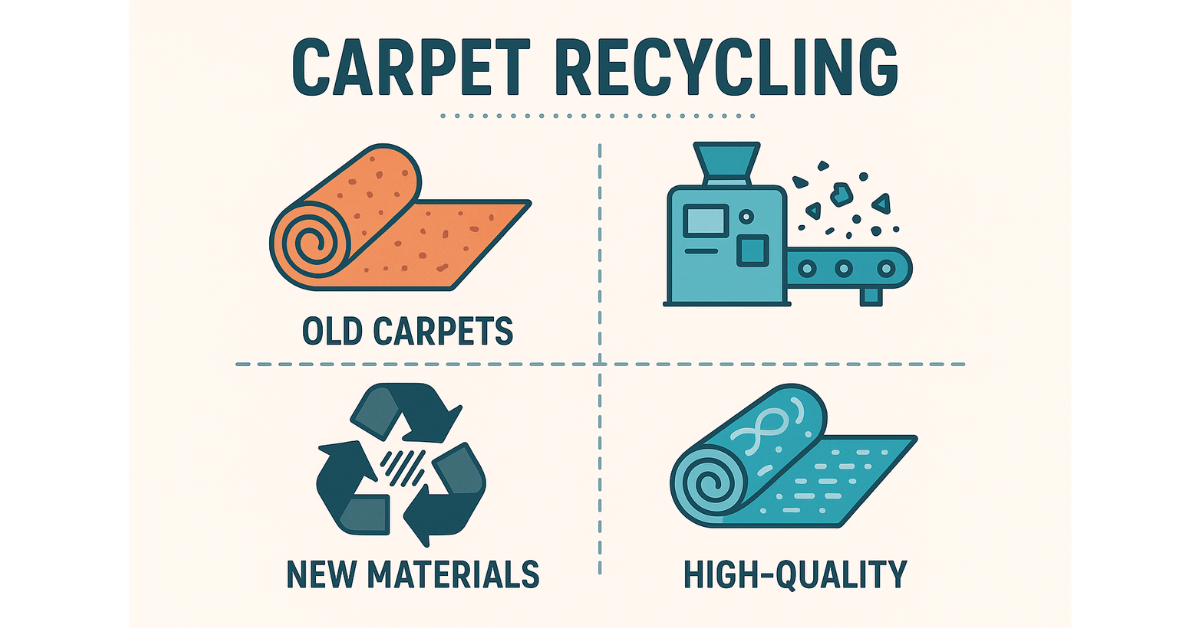
Recycling carpets may seem complicated because they’re made from a mix of synthetic fibers, plastic, and sometimes even metal, which makes them difficult to break down. But the truth is, nearly every type of carpet can be recycled when done properly. Instead of sending it to the landfill, you can help transform your old carpet into valuable new materials, such as insulation, car parts, or even new flooring. In this guide, we’ll dive deep into how to Recycle and Dispose of Carpet, the benefits of recycling, and why it’s a crucial step in creating a more sustainable future..
To better understand the different types of carpet materials and their recycling options, here’s a breakdown of the process:

| Carpet Material | Recycling Process | Common Products Made |
| Nylon | Shredded, separated, and melted into pellets. | New carpets, automotive parts |
| Polypropylene | Melted down into pellets for reuse. | Outdoor furniture, car parts |
| Polyester | Shredded and processed into fibers or granules. | Insulation, fabrics, or carpet fibers |
| Wool | Can be separated and reused in new products. | High-quality carpets, textiles |
| Carpet Padding (Foam) | Shredded and recycled into new foam products or used as filler. | Carpet padding, padding for furniture |
| Mixed Materials (Plastic, Foam, Fiber) | Separated and processed into lower-quality products. | Wiper rags, industrial materials |
How to Recycle and Dispose of Carpet
Check With Your Local Waste Management Company
The first step to recycling your carpet is reaching out to your local waste management company. Most waste management companies will have information about whether they accept carpet for recycling. Many cities have specialized recycling programs for carpets, especially in urban areas. Some may not accept carpets in curbside recycling bins but might offer alternative solutions like drop-off locations or specific carpet recycling pickup programs.
Many municipalities have government-established programs that handle carpet recycling, so it’s worth checking if your local area has such services. If not, your waste management company can help you find other places that offer carpet recycling services.

Drop-Off Locations
There are several carpet recycling centers across the country, and these locations make it easy to drop off your old carpet for recycling. Use the Carpet America Recovery Effort (CARE) or other resources like the Recycle and Dispose of Carpet to find a drop-off center in your area. These centers are set up to properly handle and process old carpets and rugs, turning them into raw materials that can be used to create new products.
If you don’t have a drop-off location in your city or town, try calling waste management services or researching online for nearby alternatives. Many smaller companies or independent recyclers might be able to take your carpet and process it properly.
Pickup Services
Although it’s rare for local curbside recycling services to accept carpet, many carpet retailers offer pickup programs when you purchase new carpets. If you’re replacing your carpet, check with the store to see if they offer a carpet recycling pickup service. These programs are a great option because they allow you to recycle your old carpet without the hassle of transporting it yourself.
Some private companies, such as Mohawk Group, offer carpet pickup services for a fee, even if the carpet was not purchased from them. This can be a great way to ensure your carpet ends up at a recycler rather than a landfill.
Can Carpet Be Recycled? Environmentally Friendly Options
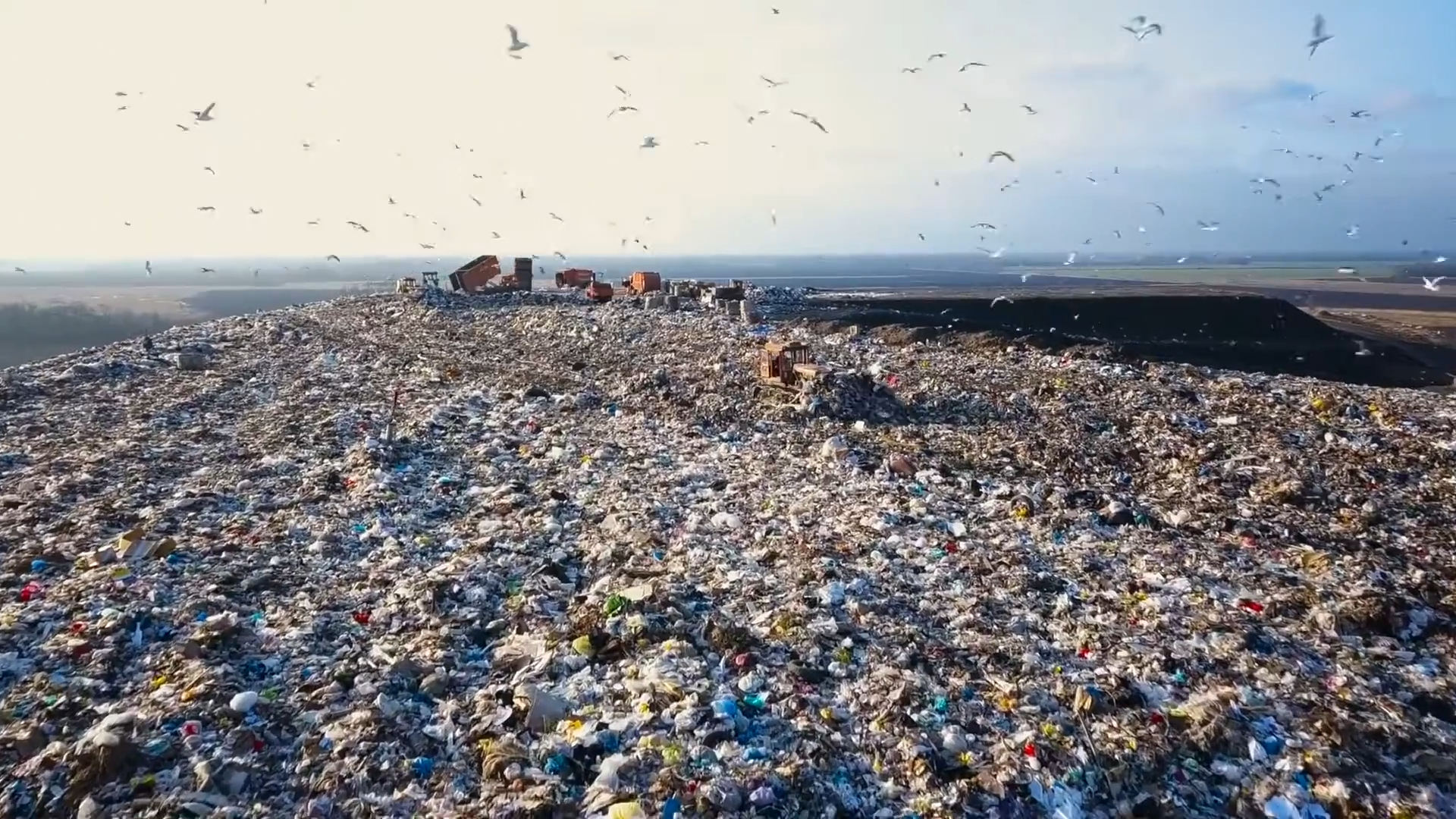
Carpet recycling is essential because carpet waste makes up a significant portion of landfill waste, and most carpets are made from materials that take hundreds of years to break down. However, many types of carpets can be recycled, though the process may differ based on the materials and type of carpet.
Can You Recycle and Dispose of Carpet Padding?
Yes, carpet padding is recyclable in most areas. Similar to carpets, it is often made of synthetic materials such as foam or felt, which can be repurposed into new products. It is essential to ensure that the padding is clean and free of contaminants before recycling. While many carpet recycling programs accept both carpet and padding, confirm with the recycler to ensure that padding is accepted.
How to Recycle and Dispose of Carpet and Rugs
Recycling carpets and rugs involves a process of separating different materials. Carpets are often made from synthetic fibers, foam, adhesives, and sometimes even aluminum or metal components, which makes them complex to recycle. However, advancements in recycling technologies are making it easier to handle this waste responsibly.
What Are Carpets and Rugs Made Of?
Carpet typically consists of three layers:
- Face Fiber: The part we walk on, often made from synthetic fibers like nylon, polyester, and polypropylene.
- Primary Backing: This layer holds the face fibers together and provides support.
- Secondary Backing: Adds structural integrity and usually includes glue or other adhesives.
Most modern carpets are made from synthetic fibers because they are cheaper and more durable. However, this makes them harder to Recycle and Dispose of Carpet than carpets made from natural fibers like wool.
The Negative Environmental Impact of Carpet Waste
Carpet waste has a profound environmental impact. In 2018, 2.46 million tons of carpet were sent to landfills in the U.S., and carpets can take hundreds of years to decompose. These carpets often contain chemicals, dyes, and synthetic fibers that leach into the soil and water, creating long-lasting pollution. Incinerating carpets releases harmful pollutants into the air, contributing to air quality problems and climate change. Recycling carpets is an effective way to minimize these negative effects.
What to Do with Old Carpets and Rugs?
If you need to dispose of an old carpet, recycling is the best option to minimize environmental impact. If your carpet is still in good condition, consider donating it or reusing it in your home. For instance, you can repurpose old carpet as a mat, rug, or padding for various purposes. Some manufacturers also offer take-back programs for carpets, so be sure to check with the store when you purchase new flooring.

How to Recycle Carpet and Rugs?
The process of recycling carpet involves separating the carpet’s fibers from its backing material. This is done using infrared light spectrometers to identify different components. Once separated, the materials are processed into reusable resources. Polypropylene, for example, is melted down into pellets, while nylon 6 face fibers are used to make new carpets. This recycling process is complex but essential for sustainability.
Items Produced Using Reused Rugs
Recycle and Dispose of Carpet are often turned into engineered resins, which are used in a variety of products such as car parts, traffic signs, flooring, and insulation. Some carpets are even transformed into new construction materials or building insulation, making them a valuable resource in the construction industry. These recycled materials help reduce the need for virgin resources and minimize waste.
Where to Responsibly Dispose of Carpet
Proper disposal of carpet is essential to reduce environmental harm. Here are some locations where you can responsibly dispose of carpet:
Anaheim, CA
Anaheim offers convenient carpet recycling services, including drop-off points and local collection services. Contact the city’s waste management department to find out where you can take your old carpet for recycling.
Miramar, CA
Miramar provides carpet recycling services as well, where you can drop off carpets or use curbside pickup. Many programs here also offer collection options for businesses and residents.
Chula Vista, CA
Chula Vista has a comprehensive carpet recycling program. Check with local waste management services to find drop-off centers or inquire about available curbside pickup services.
Phoenix, AZ
Phoenix offers carpet recycling services and drop-off locations for residents. Look for specific programs available in your area and contact local waste management services for more details.
How To Turns Old Carpets Into Treasure
Most of the leading companies dedicated to carpet recycling. They have developed technologies to break down old carpets and turn them into new, high-quality materials. By recycling carpet fibers into usable resources, It helps reduce waste and promote sustainability in the industry.

Carpet Recycling Overview
In the U.S., 3.4 million tons of carpet waste were generated in 2018, with only 310,000 tons of that being recycled. Recycling carpets is a crucial step in reducing waste and conserving valuable resources. It helps protect the environment, reduces greenhouse gas emissions, and promotes the circular economy.
Frequent Carpet Recycling Questions
Conclusion: A Step Toward a Greener Future
Recycling carpets is an easy yet impactful way to reduce waste and help the environment. Although carpets are made from complex materials, many can be recycled into new products like insulation and car parts. By utilizing local recycling programs, drop-off locations, or even retailer pickup services, you can ensure your old carpet doesn’t end up in a landfill.
With growing recycling efforts from organizations like CARE and businesses like Aquafil, carpet recycling is becoming more efficient and accessible. So, let’s make the responsible choice – Recycle and Dispose of Carpet contribute to a greener, more sustainable future.

James Parker
James Parker is an environmental expert, writer, and the founder of Envirose.com. Over the years, he has dedicated his work to studying sustainable practices, renewable energy solutions, and eco-conscious lifestyles. Through Envirose, he aims to inspire individuals to make small yet powerful changes in their daily lives that can collectively create a positive impact on the planet. When he’s not writing or researching, you’ll often find him outdoors, exploring nature and finding new ways to live in harmony with it.